
Wireless Patient Alarms
Wireless patient alarms with radio frequency bed, chair, and floor sensors for cable-free falls monitoring in care homes and NHS settings, enabling flexible room deployment without fixed installation or infrastructure works.
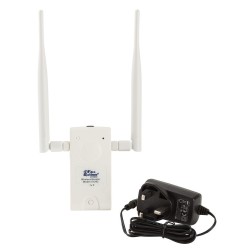
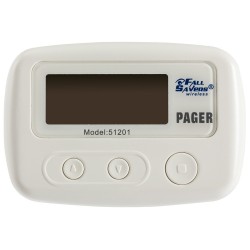
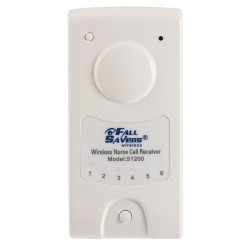
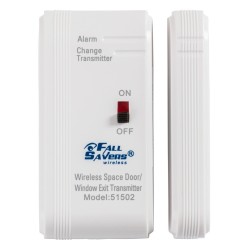
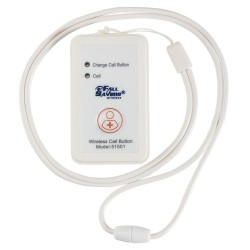
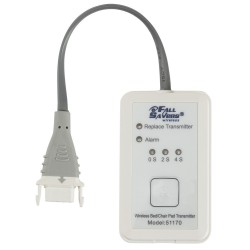
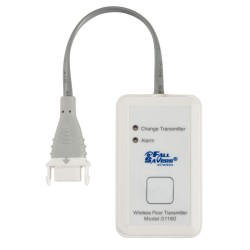
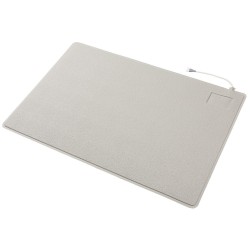
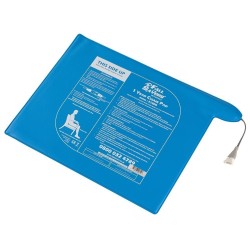
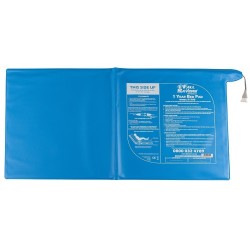
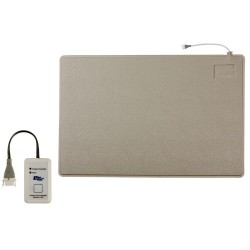
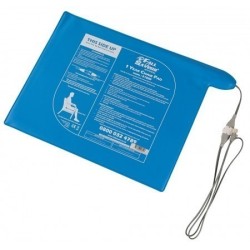
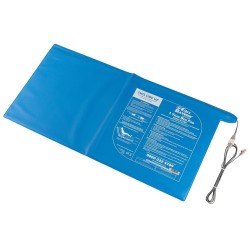
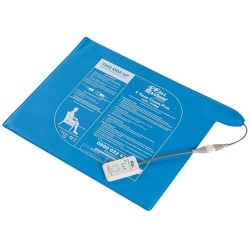
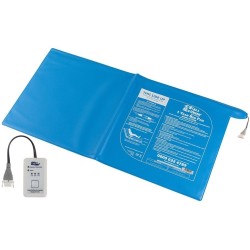
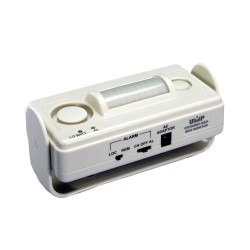
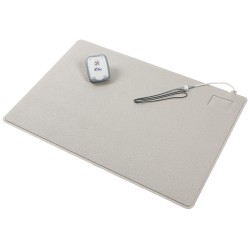
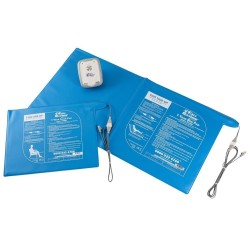
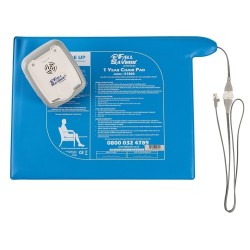
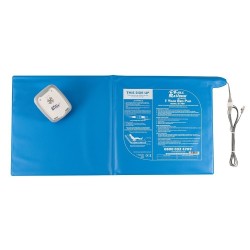
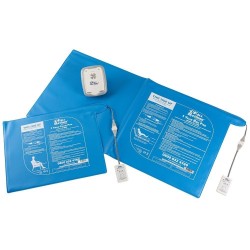
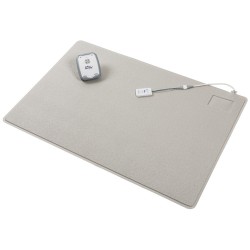
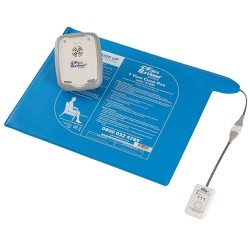
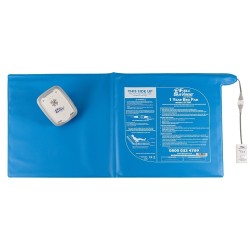
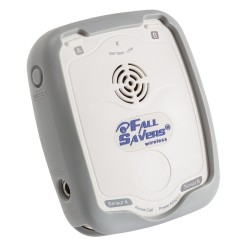
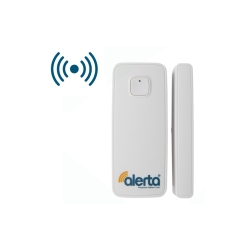
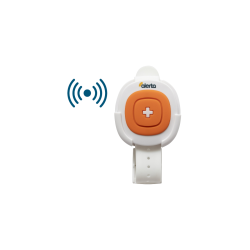
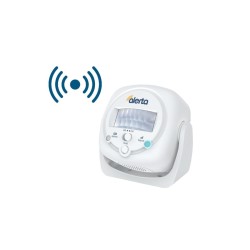
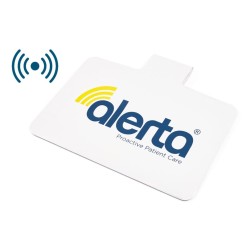
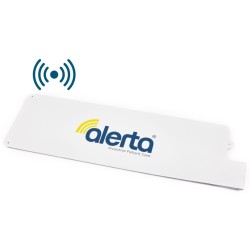
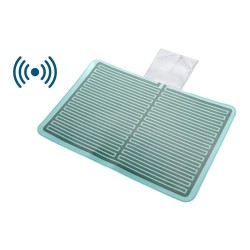
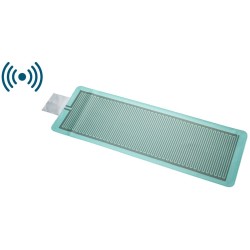
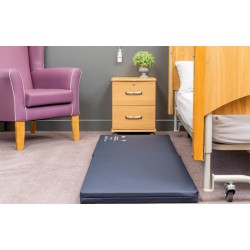
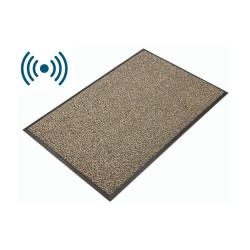
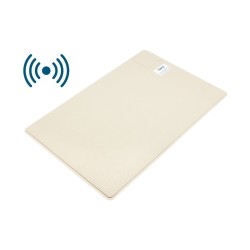
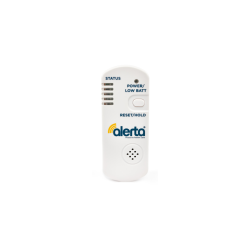
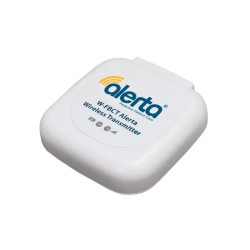
Wireless Patient Alarm Systems for Flexible Falls Prevention Monitoring
Clinical Summary: Wireless patient alarm systems transmit sensor alerts via radio frequency to portable pagers or fixed receivers, enabling falls prevention monitoring without cabling infrastructure. They are particularly suited to care homes with varied room configurations, rented premises where fixed installation is not permitted, and environments requiring frequent sensor repositioning between residents.
Wireless Patient Alarm System Features
- Radio Frequency Transmission: Wireless sensors communicate with receivers via radio frequency, with typical indoor range of 50 to 100 metres depending on the system, accommodating most care home and small hospital ward environments without signal loss.
- Portable Pager Receivers: Wireless alarms deliver alerts to portable pager units worn by care staff, ensuring immediate notification regardless of staff location within the care environment without dependence on fixed nurse call infrastructure. No installation works required, immediately deployable.
- Multiple Sensor Compatibility: Wireless systems support simultaneous connection of bed sensors, chair sensors, and floor mat sensors across multiple residents, with individual alert identification displayed on the pager receiver.
- Mains and Battery Power Options: Wireless sensor units are available in mains-powered and battery-powered formats, providing deployment flexibility for all room configurations including those without accessible power sockets adjacent to the bed or chair.
Clinical Compliance and Deployment Standards
Wireless patient alarm systems supplied by Care Supplies carry MHRA registration appropriate to their classification and comply with relevant radio frequency transmission regulations for medical monitoring devices in UK care environments. System selection should consider care environment layout, number of residents requiring monitoring, staff pager capacity, and battery replacement or charging schedules to ensure consistent alarm coverage. Wireless systems should be tested at installation and following any room or furniture changes that may affect signal transmission. Use should be documented in individual resident falls prevention care plans in line with NICE CG161 and CQC falls prevention evidence requirements.
| System Feature | Wireless Alarm | Wired Alarm |
|---|---|---|
| Installation | No wiring required, immediate deployment | Fixed installation, may require cabling |
| Flexibility | Portable, relocatable between rooms | Permanent, room-specific |
| Alert Delivery | Portable pager or fixed receiver | Fixed panel or nurse call integration |
| Power Supply | Battery or mains sensor units | Mains powered throughout |
| Best Setting | Care homes, rented premises, flexible use | New builds, major refurbishment projects |
Frequently Asked Questions
Q: What is the wireless signal range of a wireless patient alarm system?
A: Wireless patient alarm systems typically operate across an indoor range of 50 to 100 metres depending on the model and building construction. Care homes with thick stone walls or metal structures may experience reduced range, and a site survey or system test is recommended prior to full deployment to confirm consistent signal coverage across all monitoring locations.
Q: Can wireless patient alarms integrate with an existing nurse call system?
A: Some wireless patient alarm systems can integrate with existing nurse call infrastructure via a gateway receiver that forwards sensor alerts into the nurse call panel. Compatibility depends on the nurse call system installed. For care homes without nurse call integration requirements, portable pager receivers provide an effective standalone alert delivery solution without infrastructure dependency.