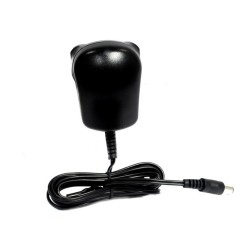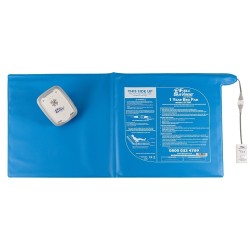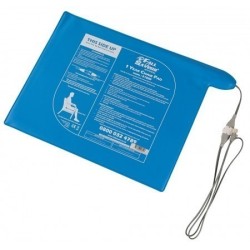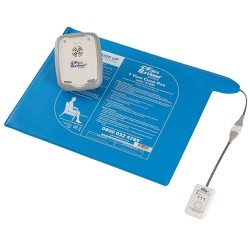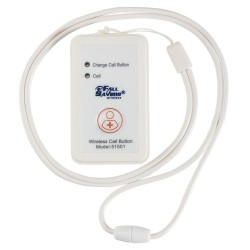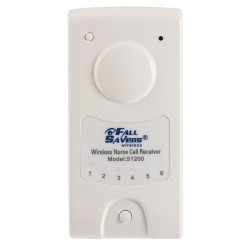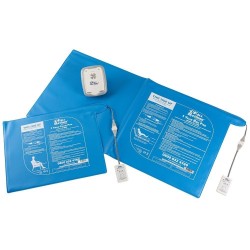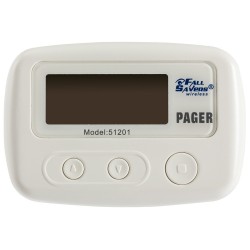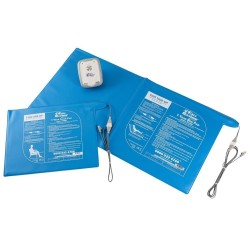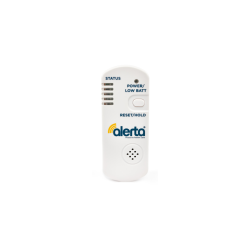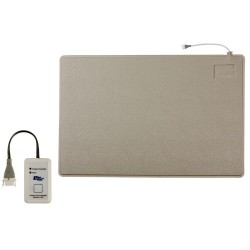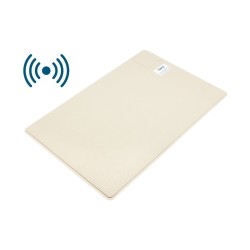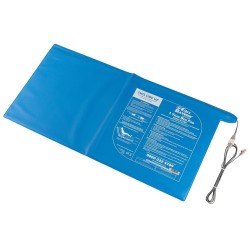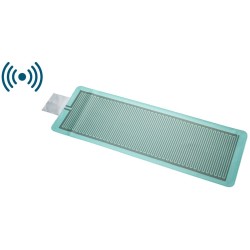
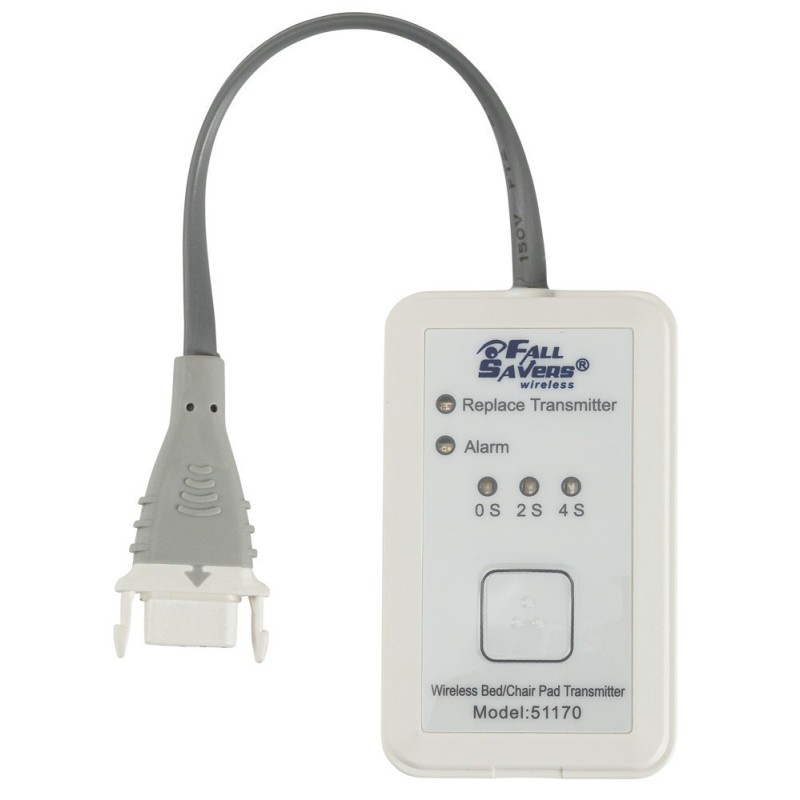


The Fall Savers Wireless Bed and Chair Sensor Transmitter is a standalone battery-powered wireless transmitter that connects to compatible Fall Savers pigtail bed and chair sensor pads and wirelessly transmits pressure detection alerts to the paired Fall Savers receiver or monitor. When the patient exits the bed or vacates the chair, the connected sensor pad detects the pressure change and the transmitter sends an immediate wireless alert to the care team's response point. Compatible with both bed and chair pigtail sensor pads, this transmitter supports both monitoring configurations from a single unit. A compatible sensor pad and Fall Savers receiver or monitor are required separately.
| Specification | Detail |
|---|---|
| Product Code | NCL-51170 |
| Type | Standalone wireless transmitter for bed and chair sensor pads |
| Compatible Pads | Fall Savers pigtail bed and chair sensor pads |
| Alert Trigger | Pressure change on connected bed or chair sensor pad |
| Output | Wireless alert to paired Fall Savers receiver or monitor |
| Power | Battery-powered for placement flexibility |
| Sensor Pad Required | Compatible Fall Savers bed or chair sensor pad (sold separately) |
| Receiver Required | Compatible Fall Savers monitor or receiver (sold separately) |
NICE Guideline NG147 (Falls in Older People) supports sensor-based bed and chair exit monitoring as fall prevention for high-risk patients: this transmitter provides the wireless alert delivery component of a pigtail-pad monitoring system, enabling the clinical monitoring function at both bed and chair locations without cable management from the sensor to the alert receiver. CQC Regulation 12 (Safe Care and Treatment) is served by the transmitter's role in completing the monitoring signal chain: a sensor pad without a functional transmitter cannot deliver alerts, and the transmitter must be maintained alongside the sensor pad as part of the complete monitoring system operational status. CQC Regulation 17 (Good Governance) benefits from the separate transmitter format: battery life should be monitored and batteries replaced promptly when low, and the transmitter's operational status should be included in equipment maintenance checks documented in the patient's fall prevention monitoring record. A transmitter with depleted batteries creates a silent monitoring failure where the pad detects events but no alert is transmitted.
Can this transmitter be used with a bed pad and a chair pad simultaneously, or only one at a time?
The Fall Savers Wireless Bed and Chair Sensor Transmitter connects to one sensor pad at a time via the pigtail connector. It cannot simultaneously connect to both a bed pad and a chair pad - only one pad can be connected and actively monitored at any given time. To monitor both bed exit and chair exit simultaneously for the same patient, two separate transmitters are required - one connected to the bed pad and one connected to the chair pad - with each transmitter paired to the same or a separate Fall Savers receiver depending on the care home's alert routing configuration. If the patient is monitored only at one location at a time (bed at night, chair during the day), a single transmitter reconnected between the two pads at each shift handover is sufficient.
How should battery replacement for this transmitter be managed in a care home monitoring programme?
Battery replacement for the Fall Savers Wireless Bed and Chair Sensor Transmitter should be managed proactively rather than reactively. A transmitter with depleted batteries creates a silent monitoring failure: the sensor pad continues to detect patient movement events, but no wireless alert is transmitted to the receiver, and care staff receive no notification. This is the most clinically significant failure mode in a wireless fall prevention system because it is not immediately apparent - the monitoring equipment appears to be in place and connected but is not functioning. To prevent this: check the transmitter battery status as part of the routine monitoring equipment check at each shift handover, replace batteries at the first indication of low battery status, and document battery replacement in the equipment maintenance record as part of the CQC Regulation 17 falls governance record.
Part of our comprehensive Patient Sensor Alarms range. Wireless patient alarms provide flexible, cable-free fall prevention and resident safety monitoring across care homes and home care settings.