
Patient Comfort and Care
Patient comfort and care products for resident wellbeing in care homes and NHS settings, including skincare, sensory aids, personal care accessories, and comfort items that support CQC wellbeing and person-centred care standards.
Related Clinical Equipment: Complete your patient comfort range with comfort and positioning aids, incontinence and laundry products, and clothing and surface protection for complete resident wellbeing in residential care.
Subcategories
-

Patient Comfort and...
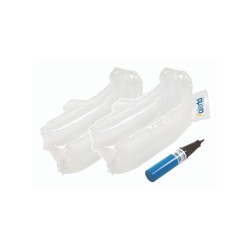
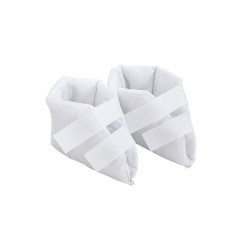
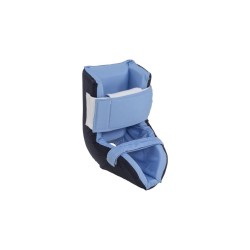
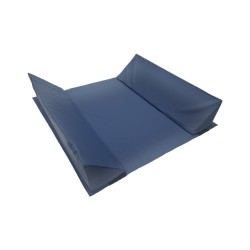
Patient positioning aids including wedges, leg troughs, body props, and lateral positioning supports for pressure relief, contracture management, and clinical posture across care homes, hospitals, and rehabilitation settings.
✓ NICE CG179 Compliant ✓ CQC Inspection Ready ✓ NHS Contract Compliant ✓ Fast UK Delivery -
Incontinence Products
Incontinence products including shaped pads, all-in-ones, pull-up pants, and bed protection for continence management in care homes and NHS settings, selected through individual continence assessment to meet CQC dignity and skin integrity standards.
✓ CQC Dignity Standards ✓ Continence Assessment ✓ NHS Supply Chain ✓ Fast UK Delivery
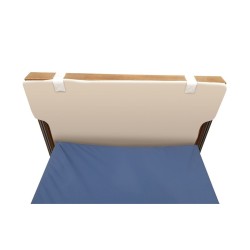
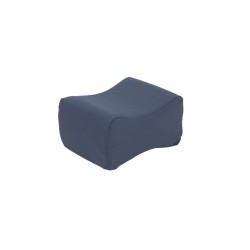
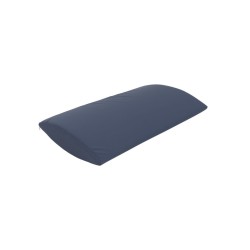
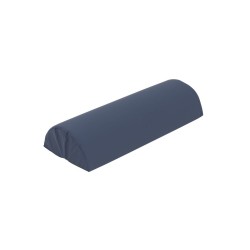
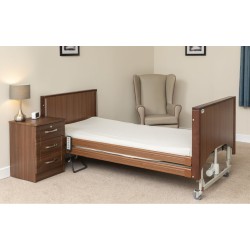
Patient Comfort and Care Products for Resident Wellbeing
Clinical Summary: Patient comfort and wellbeing in care homes encompasses physical, psychological, and social dimensions of person-centred care. CQC fundamental standards require care homes to promote wellbeing and quality of life alongside physical health management, and comfort and care product provision should reflect individual resident preferences, cultural considerations, and personal care routines documented in the care plan as part of the personalised care approach evidenced during CQC inspections.
Patient Comfort and Care Product Categories
- Clinical Skincare Products: Barrier creams, emollient washes, and moisture protection products for maintaining skin integrity in residents with incontinence-associated dermatitis, pressure care skin vulnerability, and dry skin conditions, supporting tissue viability management alongside pressure care interventions. Skincare product selection should be guided by tissue viability principles and individual skin assessment.
- Personal Care and Hygiene Accessories: Wash bowls, personal care wipes, dry shampoo, toiletries, and grooming accessories for maintaining personal hygiene and grooming standards during illness, mobility limitation, or end-of-life care, supporting dignity and resident-led personal care routines.
- Sensory and Dementia Care Products: Sensory stimulation aids, fidget products, activity items, and comfort objects for residents living with dementia or cognitive impairment, supporting engagement, reducing agitation, and maintaining meaningful activity in line with dementia care best practice and CQC person-centred care evidence requirements.
- Comfort and Positioning Aids: Comfort pillows, positioning supports, bed cradles, and limb elevation aids providing comfort and positional support for residents with pain, respiratory conditions, or comfort positioning needs outside of clinical pressure care requirements.
Clinical Compliance and Wellbeing Standards
CQC fundamental standards under the Health and Social Care Act 2008 (Regulated Activities) Regulations 2014 require care homes to promote wellbeing, maintain dignity, and provide person-centred care that reflects individual resident preferences and needs. Evidence of individualised wellbeing assessment, personal care preference documentation in care plans, and meaningful activity provision are reviewed during CQC inspections under the Well-led and Caring key questions. Clinical skincare products should be selected in accordance with tissue viability principles and individual skin assessment, with product choice and application documented in the resident care plan. Dementia care product provision should reflect a structured approach to meaningful activity and sensory engagement supported by staff training in dementia care best practice.
| Product Category | Primary Wellbeing Function | CQC Evidence Contribution | Key Standard |
|---|---|---|---|
| Clinical Skincare | Skin integrity and moisture management | Safe and Effective key questions | NICE / Tissue Viability |
| Personal Care Accessories | Hygiene, dignity, personal routine | Caring key question | CQC Dignity Standards |
| Dementia Sensory Aids | Engagement, agitation reduction | Responsive key question | NICE NG97 / CQC |
| Comfort Positioning Aids | Pain relief, positional support | Effective and Caring key questions | CQC Wellbeing Standards |
Frequently Asked Questions
Q: How do sensory products help residents living with dementia in care homes?
A: Sensory products provide tactile, visual, and auditory stimulation that can reduce agitation, support engagement, and promote calm in residents with dementia who may have limited verbal communication but retain sensory responsiveness. NICE NG97 (dementia) recommends meaningful activity and sensory stimulation as part of the non-pharmacological management of dementia behaviour, and CQC evidence of personalised activity provision contributes to positive outcomes under the Responsive and Well-led key questions during inspections.
Q: What skincare products are recommended for preventing incontinence-associated dermatitis?
A: Prevention of incontinence-associated dermatitis (IAD) requires a structured skin care routine using a no-rinse skin cleanser that removes urine and faecal matter without disrupting the skin pH, followed by application of a skin barrier product such as a dimethicone-based barrier cream or a zinc oxide paste to protect skin from further moisture exposure. Routine soap and water cleansing should be avoided for incontinent skin as it disrupts the acid mantle. The specific products selected should be guided by local tissue viability or continence nurse advice and documented in the resident skin care plan.