
Patient Comfort and Positioning
Patient positioning aids including wedges, leg troughs, body props, and lateral positioning supports for pressure relief, contracture management, and clinical posture across care homes, hospitals, and rehabilitation settings.
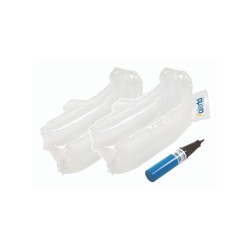
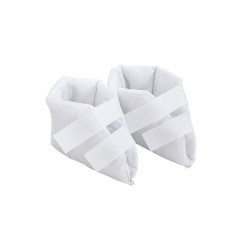
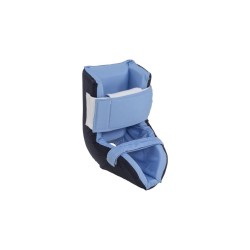
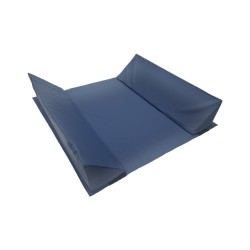
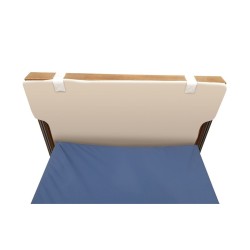
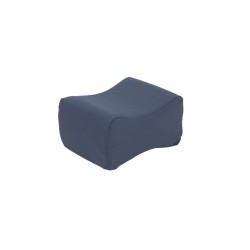
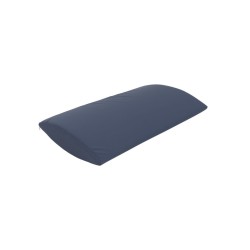
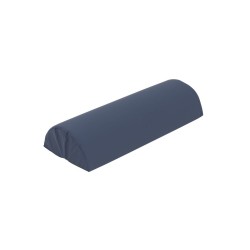
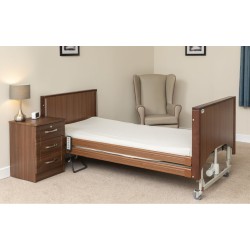
Patient Positioning Aids for Pressure Relief, Comfort, and Contracture Management
Clinical Summary: Patient positioning aids complement pressure care mattresses by maintaining therapeutic body positions that redistribute pressure, reduce shear and friction forces, and support contracture prevention — all documented components of the NICE CG179 pressure ulcer prevention care plan for at-risk patients in UK care homes, hospitals, and rehabilitation environments.
Patient Positioning Aid Types
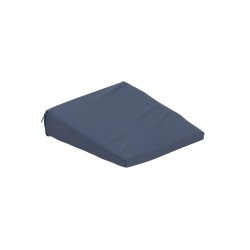
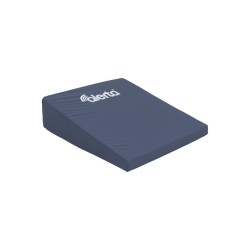
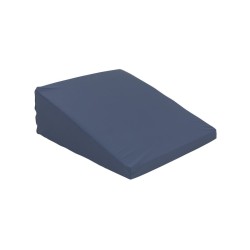
- Positioning Wedges and Incline Supports: Foam wedges maintaining 30-degree lateral tilt positions as recommended by NICE CG179 for sustained pressure redistribution between manual repositioning intervals, reducing tissue loading at sacral, trochanteric, and ischial pressure points.
- Leg Troughs and Heel Elevation Aids: Contoured supports elevating and suspending heels free of the mattress surface, directly addressing heel pressure ulcer risk — one of the most common pressure injury sites in bedbound patients. Heel pressure ulcers are a NICE CG179 priority prevention target.
- Lateral Turning and Body Props: Foam and gel prop systems supporting sustained lateral tilt without requiring continuous staff attendance, enabling documented repositioning schedule compliance between manual turning interventions.
- Contour Pillows and Limb Supports: Specialist foam pillows and limb positioning aids supporting contracture prevention, joint alignment, and patient comfort for immobile or neurologically impaired patients requiring consistent limb position management.
Clinical Applications and Compliance
Patient positioning aids are a documented component of NICE CG179-compliant pressure ulcer prevention care plans, alongside risk assessment, pressure redistribution mattresses and cushions, skin inspection, and nutrition management. CQC inspections assess whether care homes implement and document repositioning schedules supported by appropriate positioning equipment for immobile or limited-mobility residents. Positioning aids should be selected through individual clinical assessment, with equipment choice, positioning schedule, and review intervals documented in the resident care plan. The NHS Safety Thermometer includes pressure ulcer harm-free care as a key metric, making documented repositioning and positioning aid use a measurable quality indicator across NHS-contracted and CQC-registered settings.
| Aid Type | Primary Clinical Application | Key Clinical Benefit | Relevant Guideline |
|---|---|---|---|
| Positioning Wedges | 30-degree lateral tilt and pressure relief | Pressure redistribution and shear reduction | NICE CG179 |
| Leg Troughs and Heel Aids | Heel and lower limb elevation | Heel pressure ulcer prevention | NICE CG179 / EPUAP |
| Lateral Turning Props | Sustained tilt positioning support | Repositioning schedule compliance | NICE CG179 |
| Contour Pillows and Limb Aids | Contracture and joint alignment | Contracture prevention and comfort | CQC Comfort Standards |
Frequently Asked Questions
Q: How do patient positioning aids contribute to pressure ulcer prevention?
A: Patient positioning aids maintain therapeutic tilt positions — typically 30-degree lateral tilt as recommended by NICE CG179 — that redistribute pressure from bony prominences between repositioning intervals. They also reduce shear and friction forces during movement, which EPUAP guidance identifies as key contributing factors to pressure ulcer development alongside sustained pressure loading.
Q: Are patient positioning aids assessed during CQC inspections of care homes?
A: Yes. CQC inspections assess whether care homes implement documented pressure ulcer prevention care plans including repositioning schedules, appropriate pressure redistribution equipment, and positioning aids where clinically indicated. Evidence of positioning aid use and documented repositioning schedule compliance contributes to CQC ratings under the Safe and Effective key question domains.