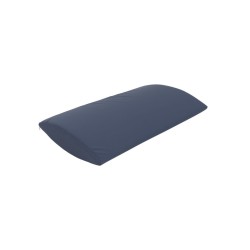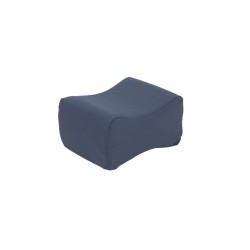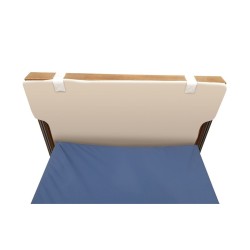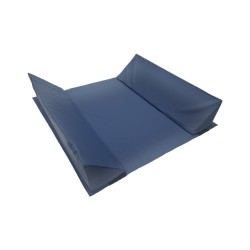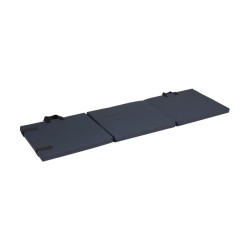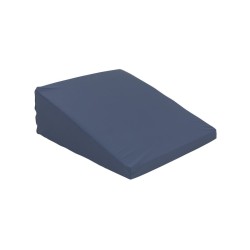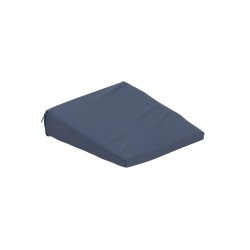
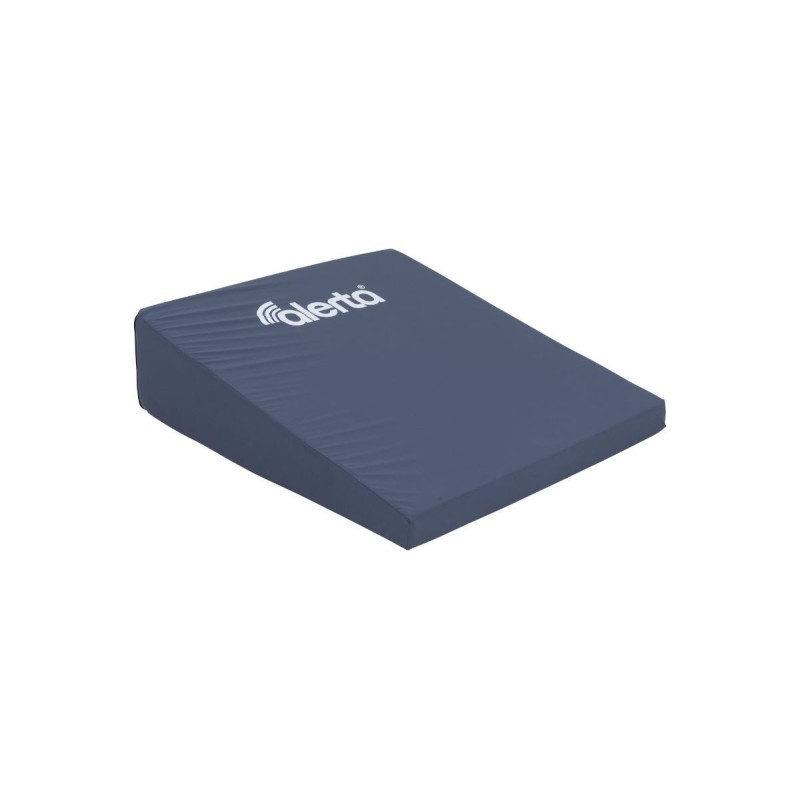

The Alerta Patient Foam Wedge Medium is a 60cm square sloped positioning aid with a 17.5cm to 5cm profile, providing a substantially larger support surface and greater elevation angle than the small wedge. The 60cm square footprint accommodates the lower leg from calf to heel in under-leg elevation, or provides a full shoulder and upper back support surface in head-of-bed positioning. At 17.5cm maximum height, the medium wedge creates a meaningful elevation angle for lower leg, knee and lower back positioning. The graduated angle allows body segments to rest naturally along the slope, reducing the need for additional support cushions to maintain the position.
| Specification | Detail |
|---|---|
| Product Code | NCL-ALT-PW-M |
| Dimensions | 60 x 60cm |
| Height Profile | 17.5cm (high end) to 5cm (low end) |
| Core Material | Foam |
| Cover | Waterproof, breathable, flame retardant |
| Cover Properties | Antibacterial |
| Primary Uses | Lower leg, knee, shoulder and general body elevation |
The Alerta Patient Foam Wedge Medium supports positioning protocols under NICE CG179 (Pressure Ulcers: Prevention and Management). Under-knee and lower-leg elevation using a wedge reduces the pressure load on the sacrum and heels in supine positioning, a recommended postural intervention for patients at moderate to high risk. NICE CG179 specifies that wedge elevation should be used within a documented repositioning schedule and not as a substitute for regular repositioning. CQC Regulation 12 (Safe Care and Treatment) requires that positioning aids are documented in the patient's care plan with use instructions and review dates. The flame retardant cover supports BS 7177 requirements and the waterproof antibacterial surface supports NHS IPC standards.
What is the difference between the medium and large foam wedge?
The medium wedge (60x60cm, 17.5-5cm) and large wedge (60x60cm, 25-5cm) have the same 60cm square footprint but different height profiles. The large provides a 25cm maximum height compared to 17.5cm on the medium, creating a steeper elevation angle. The large is indicated where more significant elevation is required, such as head-of-bed elevation for respiratory management or where a steeper lower limb angle is clinically indicated. The medium is appropriate where a shallower angle is more comfortable or sufficient for the clinical goal.
How is the medium wedge positioned for under-knee elevation?
Position the 17.5cm high end of the wedge under the knees and the 5cm low end toward the feet, so the legs slope gently downward. This reduces knee hyperextension and the associated hamstring tension, and offloads some sacral and heel pressure in the supine position. For high-risk patients, confirm that the heel is not resting on the wedge surface; where heel pressure relief is required, use a dedicated heel offloading device alongside the wedge.
Part of our specialist Patient Comfort and Care range. Positioning and comfort aids promote dignity, pressure relief, and safe repositioning for care home residents and home care clients.