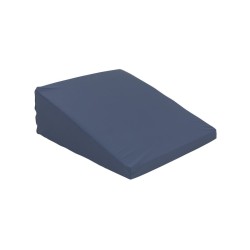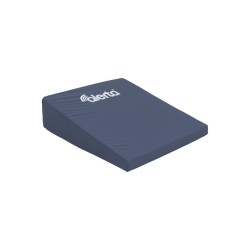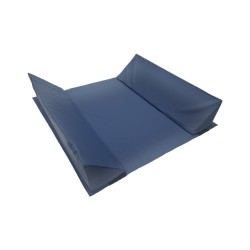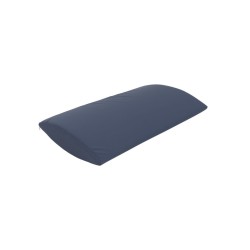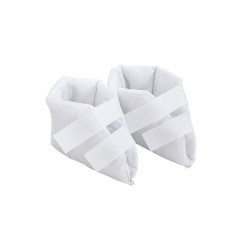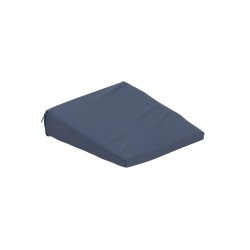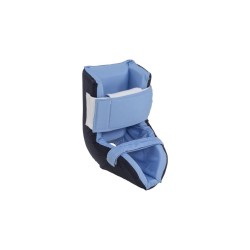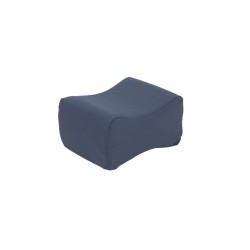
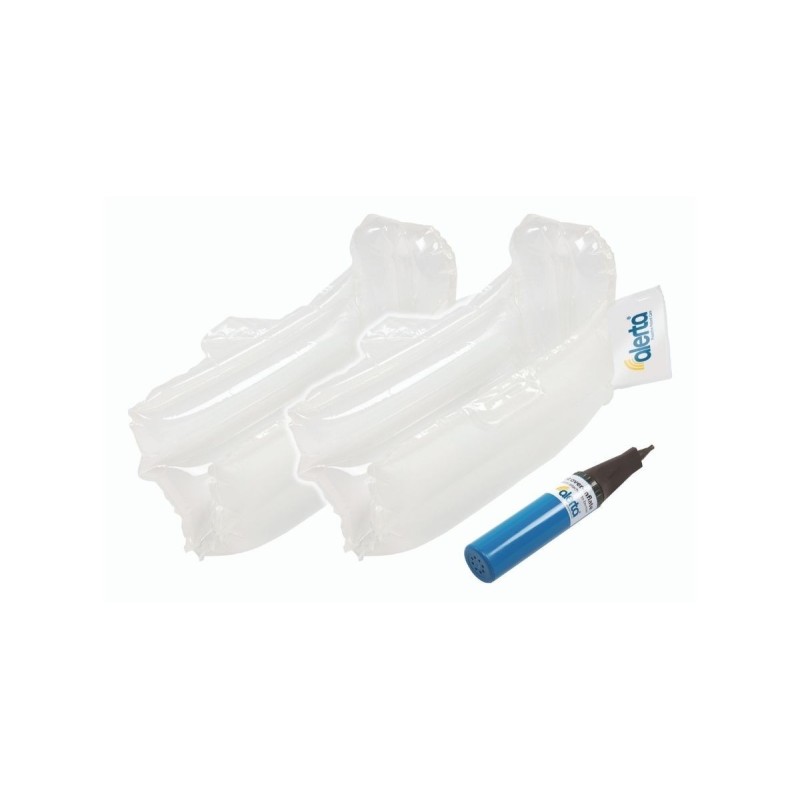

The Alerta Air Heel Bootees with Strap are pressure relief devices designed to suspend the heel clear of the mattress or support surface, providing true offloading rather than pressure redistribution. NICE CG179 (Pressure Ulcers: Prevention and Management) and EPUAP/NPIAP International Pressure Injury Guidelines identify the heel as a high-priority anatomical area for pressure injury prevention, particularly in immobile patients; heel offloading devices are a Category 1 intervention for patients at very high risk. The bootees are supplied in pairs with an adjustable strap for a secure, comfortable fit and are suitable for use across hospital, nursing home and home care settings.
| Specification | Detail |
|---|---|
| Product Code | NCL-ALT-210 |
| Supplied | Pairs |
| Fastening | Adjustable strap |
| Cleaning | Wipe with lukewarm water and mild soap; air dry |
| Prohibited Care | Do not tumble dry, iron, dry clean or expose to sharp objects |
| Clinical Indication | Very high-risk heel pressure ulcer prevention |
The Alerta Air Heel Bootees address heel pressure injury prevention requirements in NICE CG179 (Pressure Ulcers: Prevention and Management) and the EPUAP/NPIAP International Pressure Injury Guidelines. Both guidelines classify the heel as a high-priority site and recommend offloading devices for patients assessed as very high risk on a validated pressure injury risk assessment tool (Waterlow, Braden or equivalent). CQC Regulation 12 (Safe Care and Treatment) requires that pressure injury prevention measures are documented in the patient's care plan and reviewed regularly. Where a patient already presents with an existing pressure injury at the heel, clinical supervision by a tissue viability nurse is advised before selecting the appropriate offloading device.
What is the difference between heel offloading and heel pressure redistribution?
Heel pressure redistribution spreads contact pressure across a larger surface area of the heel, reducing peak pressure at any one point. Heel offloading suspends the heel completely clear of the contact surface, reducing the pressure at the heel to zero. NICE CG179 and EPUAP/NPIAP guidelines recommend offloading rather than redistribution for very high-risk patients and for patients with existing Category/Stage 1-2 heel pressure injuries, as redistribution alone may be insufficient to prevent further injury progression.
Can these bootees be used alongside a pressure-relieving mattress?
Yes. Heel offloading bootees and pressure-relieving mattresses address different aspects of pressure injury prevention and are used concurrently. The mattress reduces pressure risk across the trunk and lower limbs; the heel bootee provides specific heel offloading that the mattress cannot achieve because the heel contact geometry prevents full immersion in standard mattress systems. For patients at very high risk, NICE CG179 recommends both a pressure-redistributing mattress and specific heel offloading as complementary interventions.
Part of our specialist Patient Comfort and Care range. Positioning and comfort aids promote dignity, pressure relief, and safe repositioning for care home residents and home care clients.