
Mobility Aids
Mobility aids including walking frames, rollators, wheelchairs, and mobility scooters for independence and rehabilitation in care homes, hospitals, and community settings, meeting CQC and NHS mobility assessment standards.
Related Clinical Equipment: Complete your mobility setup with our wheelchairs, walking aids and frames, and bathroom and toilet aids for independence and safe movement across all care environments.
Subcategories
-

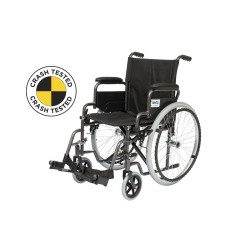
Wheelchairs
Wheelchairs in manual, self-propelled, transit, and powered formats for mobility independence in care homes, hospitals, and community settings, MHRA registered and compatible with NHS wheelchair service prescription pathways.
✓ MHRA Registered ✓ BS EN ISO 7176 ✓ NHS WC Service Compatible ✓ Fast UK Delivery -
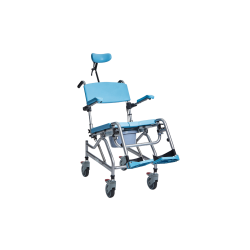
Bathroom and Toilet Aids
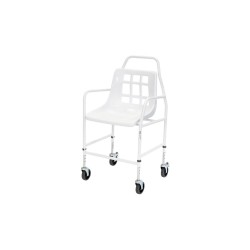
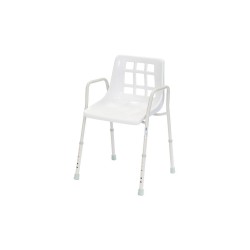
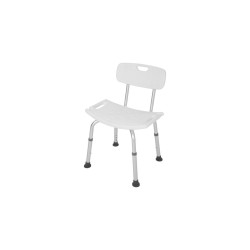
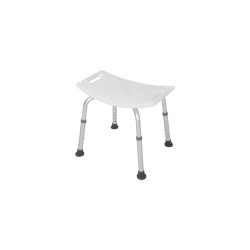
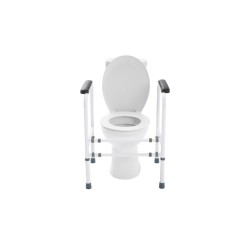
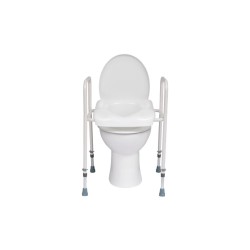
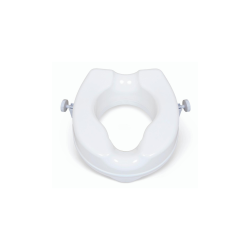
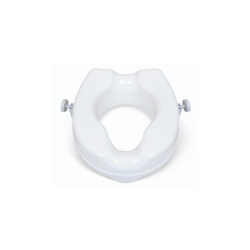
Bathroom and toilet aids for safe personal care and independence in care homes and home settings, including grab rails, raised toilet seats, bath seats, and shower chairs, meeting CQC personal care standards and OT assessment requirements.
✓ CQC Inspection Ready ✓ OT Assessment Ready ✓ BS 8300 Accessible ✓ Fast UK Delivery -
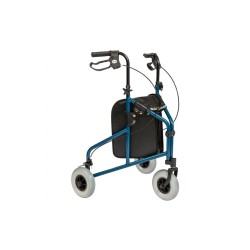
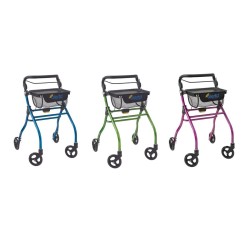
Walking Aids
Walking aids including sticks, frames, and rollators for mobility support and falls prevention in care homes and community settings, selected through physiotherapy assessment to meet NICE CG161 falls prevention and CQC independence standards.
✓ NICE CG161 Aligned ✓ CQC Inspection Ready ✓ MHRA Registered ✓ Fast UK Delivery
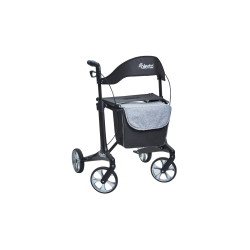
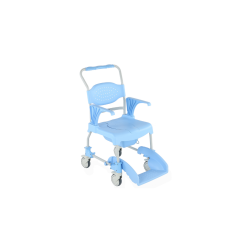
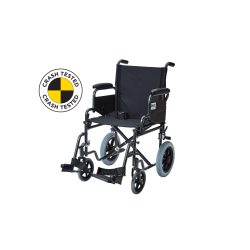
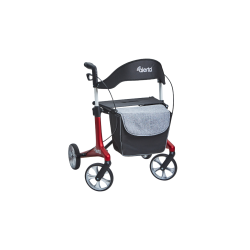
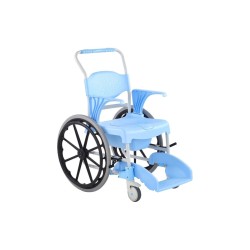
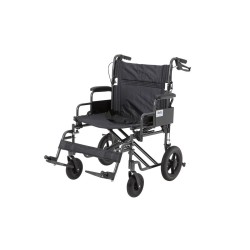
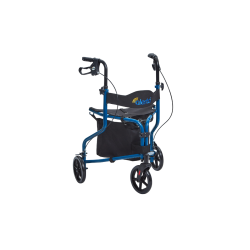
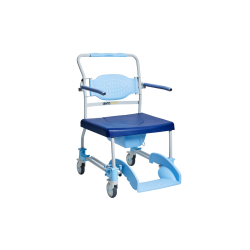
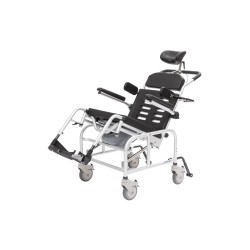
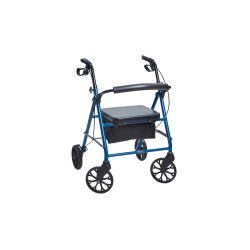
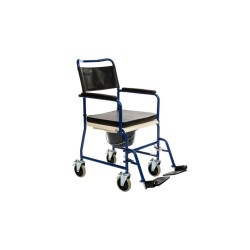
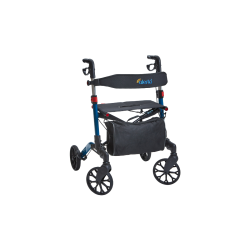
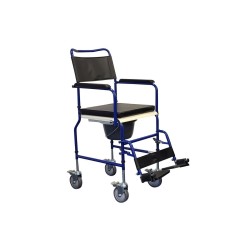
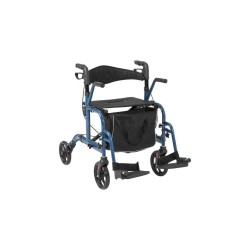
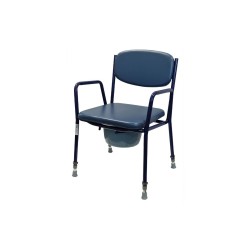
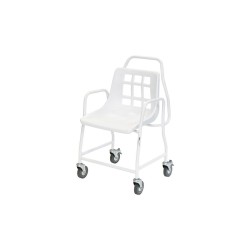
Mobility Aids for Independence, Rehabilitation, and Safe Ambulation
Clinical Summary: Mobility aids support safe ambulation, independence, and rehabilitation for patients with reduced mobility across care home, hospital, and community settings. Equipment selection should be made through individual occupational therapy or physiotherapy assessment to ensure the correct aid type, height adjustment, and specification for the patient ambulation ability, environment, and rehabilitation goals, in line with NICE CG161 falls prevention and CQC independence-promoting care standards.
Mobility Aid Categories
- Walking Frames and Zimmer Frames: Standard and wheeled walking frames providing stable four-point support for patients requiring maximum walking aid stability, suited to indoor use in care home and hospital environments where turning space allows frame use.
- Rollators and Wheeled Walkers: Three and four-wheeled rollators with hand brakes providing a walking aid for patients with sufficient upper limb strength for brake operation, supporting longer-distance ambulation and outdoor mobility. Available with seats for rest breaks during community ambulation.
- Wheelchairs: Manual, self-propelled, transit, and powered wheelchairs for patients unable to ambulate independently, providing mobility for community access, care home movement, and hospital and clinical attendance.
- Mobility Scooters: Powered mobility scooters for community and outdoor mobility for patients with limited walking ability but sufficient cognitive and upper limb function for safe scooter operation, supporting independence beyond care home and domestic environments.
Clinical Compliance and Assessment Standards
Mobility aid selection for care home residents and NHS patients should be made through individual physiotherapy or occupational therapy assessment to ensure equipment appropriateness for the patient mobility level, environment, and goals. NICE CG161 falls prevention guidance emphasises that inappropriate walking aids or aids that have not been correctly fitted and taught can increase rather than reduce falls risk, making professional assessment essential. MHRA registration applies to wheelchairs and powered mobility equipment. NHS community equipment services and occupational therapy services can prescribe mobility aids for eligible patients. Care homes should document mobility aid provision in individual care plans with regular review as mobility changes.
| Aid Type | Patient Mobility Level | Primary Environment | Key Standard |
|---|---|---|---|
| Zimmer Frame | Limited, indoor ambulant | Care home, ward | NICE CG161 |
| Rollator | Moderate, indoor and outdoor | Community, care home | NICE CG161 |
| Wheelchair | Non-ambulant or low endurance | All environments | MHRA / BS EN ISO 7176 |
| Mobility Scooter | Limited walking, cognitively able | Community, outdoor | MHRA |
Frequently Asked Questions
Q: Does a care home resident need an assessment before being given a walking frame?
A: NICE CG161 and professional guidance from the Chartered Society of Physiotherapy recommend that walking aids are assessed and correctly fitted by a physiotherapist or appropriately trained clinician before use. An incorrectly sized or inappropriate walking aid can increase falls risk. Care homes should have access to physiotherapy assessment for residents requiring new or changed mobility aids, documented in the individual care plan.
Q: Can mobility aids be prescribed through NHS pathways for care home residents?
A: Yes. Wheelchairs and some walking aids can be prescribed through NHS wheelchair services, community occupational therapy, and community physiotherapy for eligible patients. Care home residents with NHS continuing healthcare funding may be entitled to mobility aid provision through NHS community equipment services. Referral pathways vary by integrated care board area.