
Clothing and Surface Protection
Clothing and surface protection products for care homes and NHS settings, including dignity wear, waterproof mattress covers, chair protectors, and PPE aprons, maintaining resident dignity and CQC infection prevention and control standards.
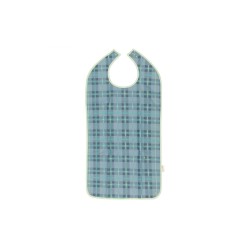
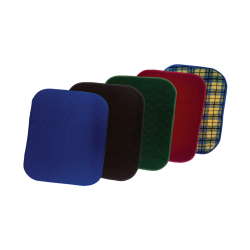
Clothing and Surface Protection for Dignity and Infection Control
Clinical Summary: Clothing and surface protection products in care settings serve dual functions, maintaining resident dignity during meals and personal care while protecting surfaces, garments, and mattresses from soiling and contamination. CQC standards require that clothing protectors are offered and used in a way that promotes dignity and resident choice, and that surface protection products support the infection prevention and control standards required for CQC-registered premises under the Health and Social Care Act 2008 (Regulated Activities) Regulations 2014.
Clothing and Surface Protection Types
- Dignity Wear and Clothing Protectors: Adult bibs and dignity wear clothing protectors in a range of designs that protect clothing during meals and personal care while maintaining a dignified, adult-appropriate appearance. Available in wipeable PVC, soft fabric, and washable formats for varied use environments and resident preferences. Resident choice of clothing protector style should be offered and documented in the care plan.
- Waterproof Mattress Covers and Protectors: Breathable waterproof mattress covers providing protection against continence-related leakage without compromising pressure redistribution performance of the underlying mattress, maintaining mattress integrity and extending mattress service life in care home environments.
- Chair and Seat Covers: Waterproof chair seat and arm protectors for care home lounge, dining, and bedroom chairs, protecting foam and fabric upholstery from soiling and enabling effective surface decontamination between residents.
- Disposable Aprons and IPC Garments: Disposable plastic aprons in clear and coloured formats for infection prevention and control during personal care, clinical procedures, and food handling, providing a barrier between care staff clothing and the patient or food surface during the care activity.
Clinical Compliance and Dignity Standards
CQC fundamental standards require care homes to provide care in a manner that promotes and maintains dignity, and clothing protector provision should reflect resident choice and preference rather than institutional blanket use of a single product. The use of adult bibs should never be imposed without consent and should be documented in the care plan where used. Surface protection products including waterproof mattress covers must not compromise pressure care performance — covers should be vapour-permeable and correctly specified for use with the pressure redistribution surface in place. Disposable aprons are a standard IPC requirement under Standard Infection Control Precautions (SICPs) for all personal care activities and clinical procedures involving potential exposure to blood or body fluids, in line with UKHSA guidance.
| Product Type | Primary Function | Key Clinical Consideration | Key Standard |
|---|---|---|---|
| Dignity Wear | Clothing protection during meals | Resident choice and dignity | CQC Dignity Standards |
| Waterproof Mattress Cover | Mattress protection | Pressure care surface compatibility | CQC / NICE Pressure Care |
| Chair Protectors | Upholstery surface protection | Effective surface decontamination | CQC IPC Standards |
| Disposable Aprons | IPC barrier during personal care | SICP compliance for all contacts | UKHSA SICP Guidance |
Frequently Asked Questions
Q: Do care homes need resident consent before using clothing protectors?
A: Yes. CQC dignity standards require that clothing protectors are offered as a choice and not imposed without the resident's consent or the consent of their representative where the resident lacks capacity to make this decision. Resident preference for clothing protector style, timing of use, and whether to use one at all should be documented in the care plan and reviewed regularly. Clothing protectors should never be used in a way that reduces dignity or treats adults in an infantilising manner.
Q: Do waterproof mattress covers affect pressure care performance?
A: Waterproof mattress covers can affect pressure redistribution if they are not vapour-permeable or if they are too thick, restricting the mattress surface movement that enables pressure redistribution. Care homes should specify vapour-permeable waterproof covers that are compatible with the pressure care mattress in use, and confirm compatibility with the mattress manufacturer where pressure care is a clinical priority for the resident. Covers should fit correctly without creating folds or ridges that could create localised pressure points.