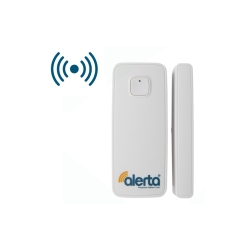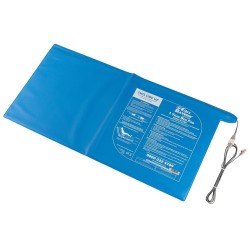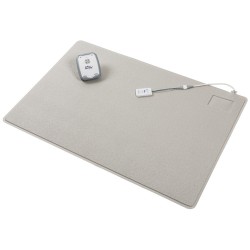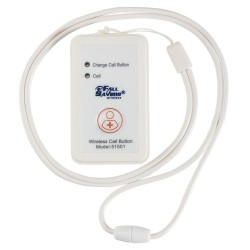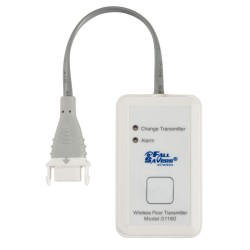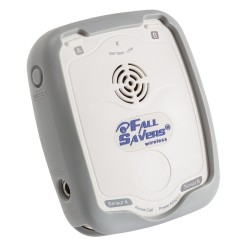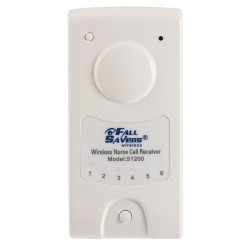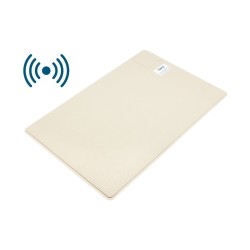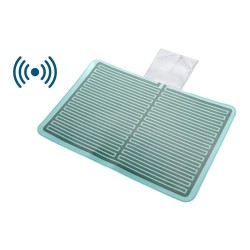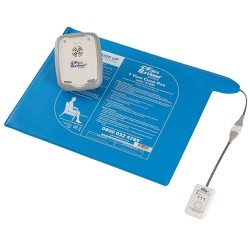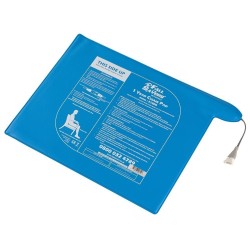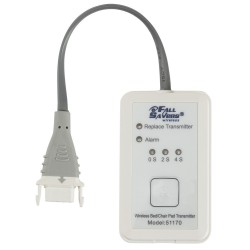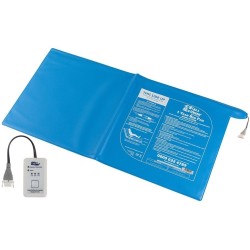
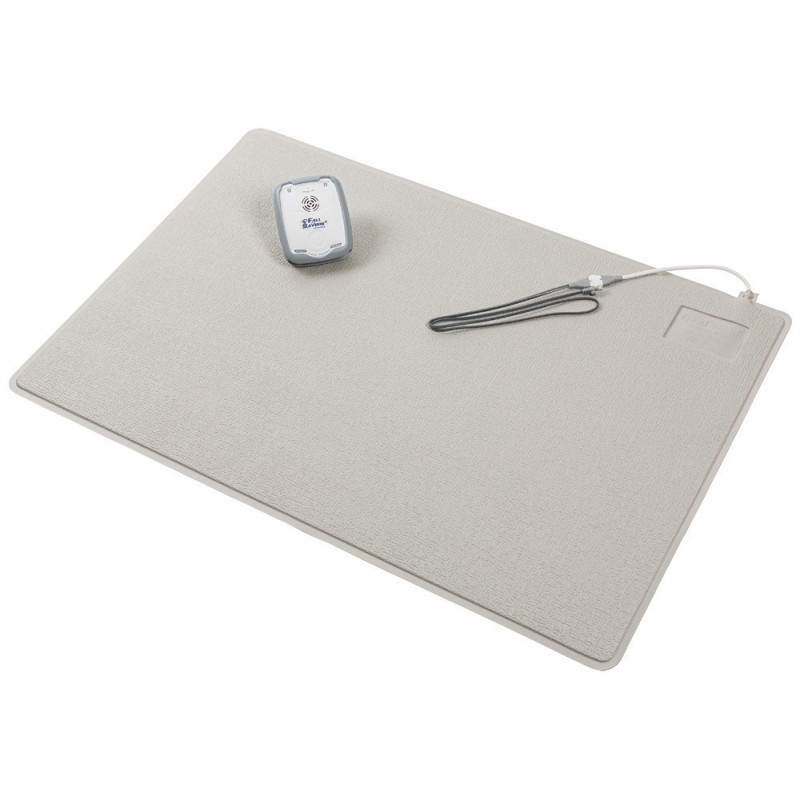

The Fall Savers Wireless Monitor with Floor Pad (Wired Connection) is a hybrid monitoring system combining a wired floor sensor pad with a wireless monitor. The floor sensor pad connects directly to the Fall Savers Wireless Monitor via a physical cable, providing guaranteed signal delivery when a patient steps onto the pad. The monitor receives the wired alert signal and transmits it wirelessly to the care team at their response location. Suitable for bedside placement, doorway monitoring and bathroom approaches, the wired-to-wireless architecture delivers floor sensor reliability at the detection point with wireless alert flexibility at the staff end.
| Specification | Detail |
|---|---|
| Product Code | NCL-51013 |
| Sensor Connection | Wired - direct cable from floor pad to monitor |
| Alert Output | Wireless - monitor transmits to care team |
| Sensor Placement | Bedside, doorway or bathroom approach |
| Alert Trigger | Foot pressure on floor pad surface |
| Pad Design | Low-profile for minimal trip risk |
| Application | Care homes, NHS wards, home care |
NICE Guideline NG147 (Falls in Older People) supports floor sensor monitoring as early-alert fall prevention that provides notification before a fall occurs: foot pressure on the pad at the bedside alerts carers at the moment of first floor contact, before the patient achieves a standing position. The wired connection from pad to monitor in this system ensures the early alert reaches the monitor without wireless transmission uncertainty. CQC Regulation 12 (Safe Care and Treatment) is served by the wired sensor reliability: environments where wireless sensor performance has been variable can deploy this system with confidence in consistent signal delivery. CQC Regulation 17 (Good Governance) benefits from the visual verifiability of the cable connection: the monitoring system's operational status at the floor pad location can be confirmed by physical cable check as part of the shift handover verification documented in the falls governance record.
How is the wired cable between the floor pad and monitor managed to avoid a trip hazard?
The cable from the floor pad to the monitor should be routed along the base of the bed frame, wall skirting or wall surface using cable clips or adhesive cable guides to keep it flush against surfaces rather than crossing open floor areas. The monitor is typically wall-mounted or placed on the bedside table at a height that allows the cable to run vertically from the floor pad to the monitor without crossing the walking path. In doorway installations, the cable is routed along the door frame or above the doorway rather than across the doorway opening. Assessment of the cable routing should be completed as part of the installation setup to confirm no part of the cable run crosses a walking surface before the system is activated for patient monitoring.
When should the wired floor pad system be chosen over the fully wireless Wireless Floor Package?
The wired floor pad system is appropriate when: consistent wireless signal strength between the floor pad position and the monitor cannot be confirmed in the specific installation environment; the care governance requirement is for a wired sensor connection that is physically verifiable; or the floor pad installation position is such that a direct cable run to the monitor is practical and safe. The fully wireless Wireless Floor Package is preferred when cable management from the floor level to the monitor position would require the cable to cross open floor areas where it cannot be adequately secured and would create a trip hazard, or where the installation is temporary and frequent repositioning of the floor pad makes cable management impractical.
Part of our comprehensive Patient Sensor Alarms range. Wireless patient alarms provide flexible, cable-free fall prevention and resident safety monitoring across care homes and home care settings.