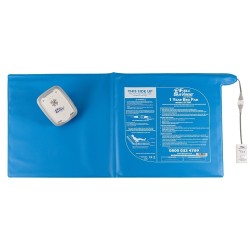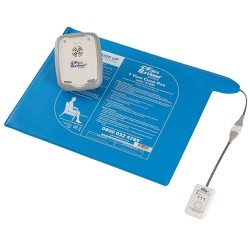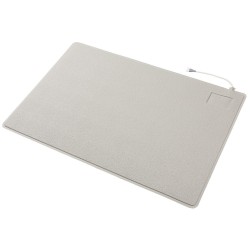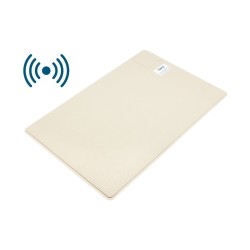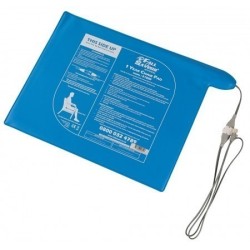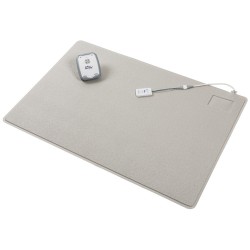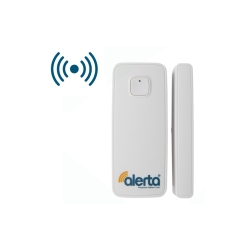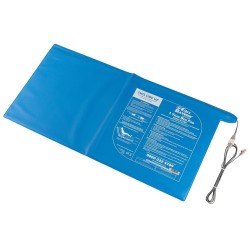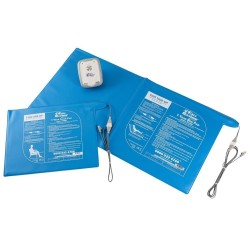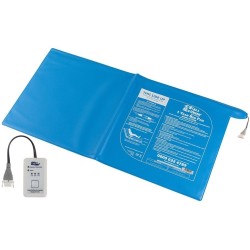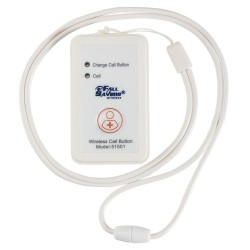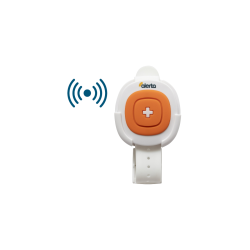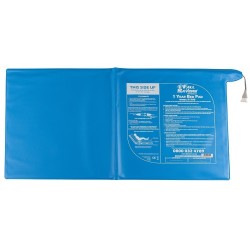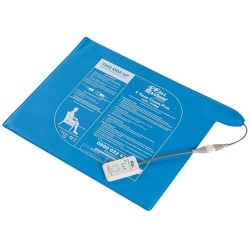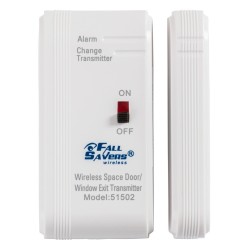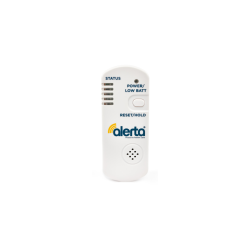
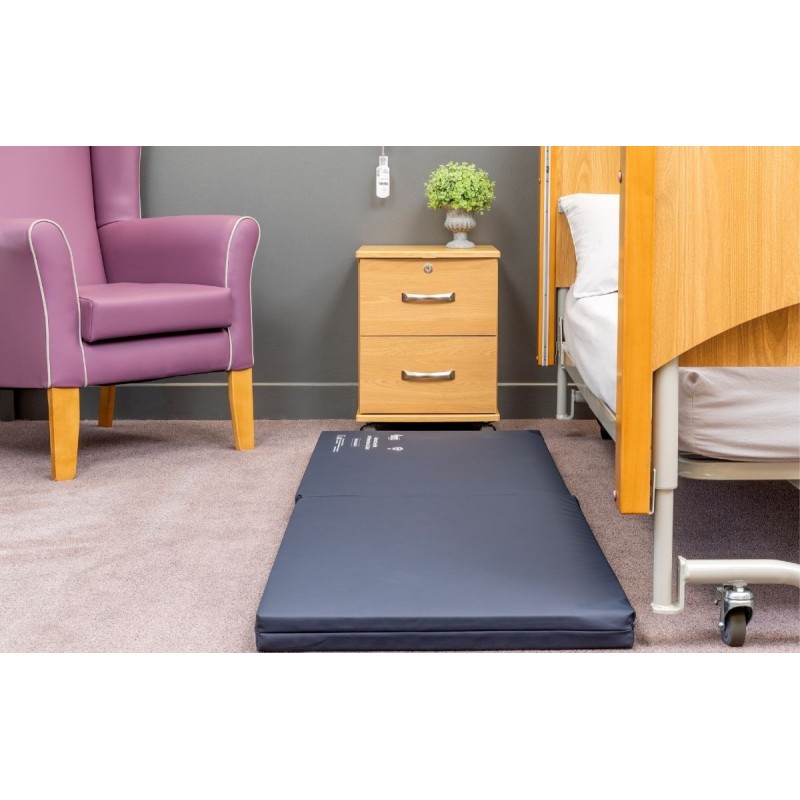


The Alertamat Crash Mat with Wireless Nurse Call Alert is a dual-purpose fall management solution that combines 6cm foam impact absorption with an embedded wireless pressure sensor, providing both physical protection and immediate notification when a patient falls from bed. The 180x60cm footprint covers the full bedside fall zone, the PU wipe-clean cover satisfies clinical hygiene requirements, and the embedded transmitter wirelessly connects to the Alerta Wall Point Receiver at up to 95 metres range for nurse call system integration or local in-room notification. No trailing cables create trip hazards, and the foldable design enables compact storage during bed changes and clinical procedures.
| Specification | Detail |
|---|---|
| Product Code | NCL-W-ACM-T |
| Open Dimensions | 180 x 60 cm |
| Foam Thickness | 6 cm |
| Cover | Wipe-clean PU |
| Base | Genuine non-slip |
| Design | Foldable for compact storage |
| Sensor | Embedded pads with integrated wireless transmitter |
| Wireless Range | Up to 95 metres line-of-sight |
| Transmitter Power | 2x 1.5V AAA batteries |
| Receiver Required | Alerta Wall Point Receiver (sold separately) |
CQC Regulation 12 (Safe Care and Treatment) requires that providers take all reasonable steps to prevent patient harm, and where harm occurs, ensure rapid response that limits its extent. The Alertamat Crash Mat addresses both requirements: the 6cm foam absorbs impact energy, reducing the risk of hip fracture and head injury, while the embedded wireless sensor ensures the patient is never left lying undetected. NICE Guideline NG147 (Falls in Older People) identifies hip fracture as the primary serious harm outcome of falls and supports interventions that reduce fall injury severity alongside fall frequency. The crash mat is a recognised low-level care intervention under the Mental Capacity Act least-restrictive principle, appropriate for patients whose fall risk assessment identifies overnight unsupervised bed exit as a documented risk.
Should the crash mat be placed on both sides of the bed, or only the side the patient typically exits from?
Placement depends on the individual patient's fall risk assessment. For patients with a documented pattern of exiting only from one side of the bed, single-sided placement covers the primary risk zone. For patients who exit from either side or whose exit pattern is unpredictable, common in dementia and nocturnal delirium, bilateral placement provides complete coverage. The occupational therapist or falls coordinator should specify the placement in the patient's individual falls management plan.
Is the Alertamat Crash Mat a substitute for a bed rail, and how does it relate to bed rail risk assessments?
The crash mat is not a substitute for bed rails and addresses a different risk profile. Bed rails physically prevent the patient from exiting the bed, a restraint intervention under the Mental Capacity Act 2005 that requires a formal DoLS or best-interests assessment. The crash mat does not restrict movement: it mitigates the injury consequence of a fall and notifies carers when one occurs. In a complete falls management plan, the crash mat may be used alongside bedrails or as an alternative for patients where bedrails increase rather than decrease fall risk, for example those who climb over bedrails and fall from a greater height than without rails.
Part of our comprehensive Patient Sensor Alarms range. Wireless patient alarms provide flexible, cable-free fall prevention and resident safety monitoring across care homes and home care settings.