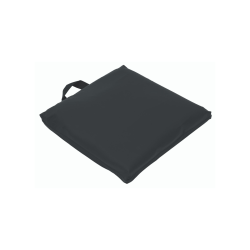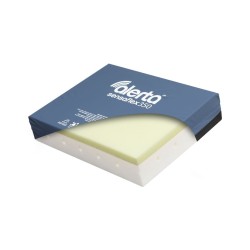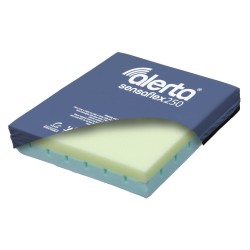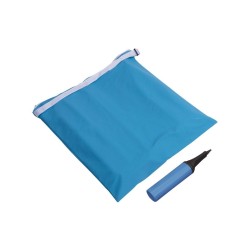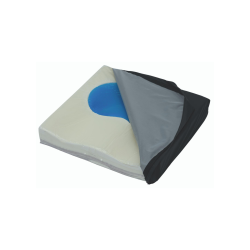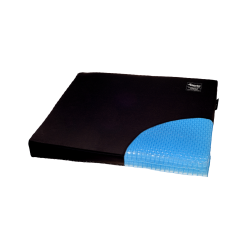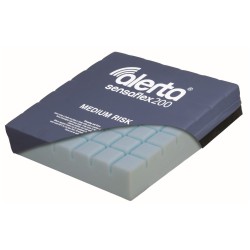
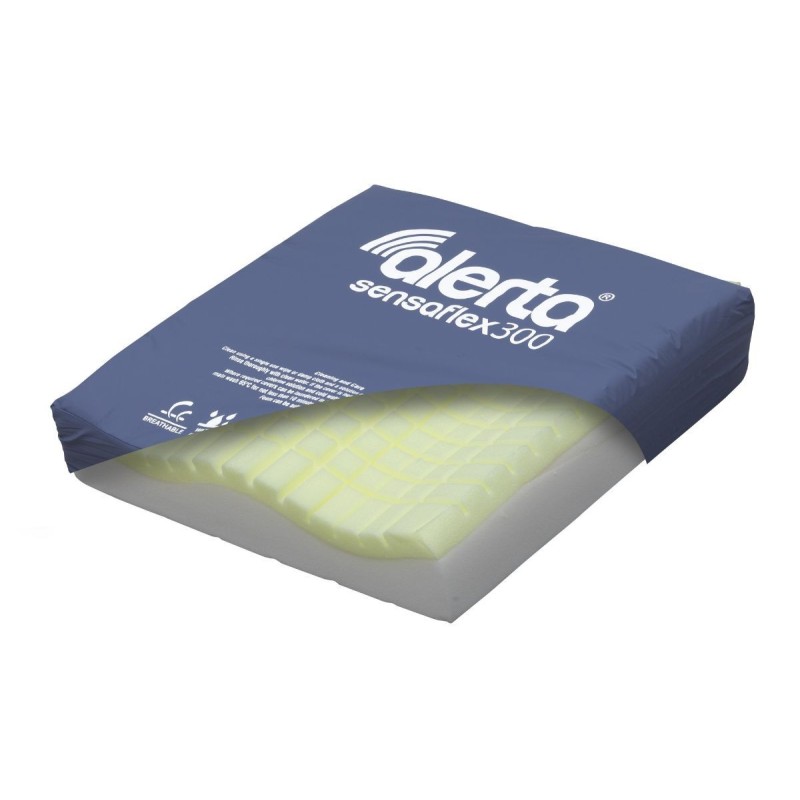

The Alerta Sensaflex 300 Foam Cushion is the very high-risk specification in the Sensaflex seated cushion range, combining a high-density foam base, central support foam layer and castellated gel memory foam top for maximum static pressure redistribution. The gel memory foam top reduces peak interface pressure beyond standard memory foam through fluid-like deformation and thermal conductivity, while the castellated structure promotes airflow and independent cell deformation at peak loading points. Combined with the multi-stretch vapour-permeable PU cover, the Sensaflex 300 addresses all three EPUAP/NPIAP pressure injury causative factors for very high-risk seated patients: interface pressure, shear and microclimate. Foam autoclavable at 134°C, BS7177: Crib 5 compliant.
| Specification | Detail |
|---|---|
| Product Code | NCL-ALT-300 |
| Type | Static gel memory foam seat cushion |
| Risk Level | Very high risk |
| Construction | High-density base + central support + castellated gel memory foam top |
| Cover | Multi-stretch, vapour-permeable PU |
| Cover Treatment | Antimicrobial, machine washable |
| Foam Sterilisation | Autoclavable at 134°C |
| Fire Compliance | BS7177: Crib 5 |
| Application | Very high-risk patients in care homes, hospitals, clinical seating |
NICE Guideline CG179 (Pressure Ulcers: Prevention and Management) places very high-risk patients at the most intensive level of pressure care requirement, with the EPUAP/NPIAP guidelines recommending the highest available static surface specification before escalation to alternating pressure systems. The Sensaflex 300's three-layer gel foam construction is the top-specification static cushion in the Sensaflex range, appropriate for very high-risk patients where the high-risk memory foam specification (Sensaflex 250) has been assessed as insufficient or where the clinical prescription specifies gel-topped construction for microclimate management. CQC Regulation 12 (Safe Care and Treatment) requires that the cushion specification is matched to the individual's documented risk: a very high-risk patient receiving a high-risk specification cushion is a documented pressure care shortfall that CQC inspection of pressure governance may identify. The gel component's microclimate benefits are particularly clinically relevant for very high-risk patients who also have conditions affecting skin temperature regulation - diabetes, peripheral vascular disease, neurological conditions - where microclimate management is a compounding clinical requirement alongside interface pressure redistribution.
When should a very high-risk patient be escalated from the Sensaflex 300 to an alternating pressure cushion?
The clinical trigger for escalation from the Sensaflex 300 static gel cushion to an alternating pressure cushion should be based on skin status observation and the individual's clinical history rather than on the cushion specification alone. Escalation is typically indicated when: existing pressure damage develops or worsens at seated bony prominences despite correct use of the Sensaflex 300 and a compliant repositioning schedule; the individual's clinical condition deteriorates to a point where regular repositioning is no longer achievable; or the prescribing clinician's clinical judgement indicates that periodic full tissue offloading - which only alternating pressure systems achieve - is required for the individual's specific anatomical and physiological risk factors. The escalation decision should be documented in the patient's pressure care plan with the clinical rationale, the skin status at the time of escalation, and the outcome of the previous static surface trial.
How does the Sensaflex 300 seated cushion relate to the Sensaflex 4000 mattress - are they designed to be used together?
The Sensaflex 300 cushion and Sensaflex 4000 mattress are independent products in the Sensaflex range, each addressing the pressure care requirement for their respective use position - the mattress for bed-based pressure care, the cushion for seated pressure care. They are both specified at the very high-risk level and both use gel memory foam construction, providing clinical consistency in the surface specification for a patient who requires very high-risk pressure care in both the seated and supine positions. Using both together for a very high-risk patient who spends significant time both in bed and seated provides a clinically consistent pressure care approach across the full period of care, but each is specified and prescribed independently based on the individual's needs in each position rather than as a mandatory paired system.
Part of our specialist Pressure Care Systems range. Pressure relief cushions provide targeted support for wheelchair users and care home residents at risk of pressure damage.