
Active Pressure Care Systems
Active pressure care systems with dynamic alternating pressure and low air loss mattresses for high-risk patients in care homes and NHS settings, meeting NICE CG179 tissue viability standards and CQC requirements.
Related Clinical Equipment: Pair alternating pressure systems with profiling beds, pressure relief cushions, and static foam mattresses for a complete pressure ulcer prevention protocol across all risk levels.
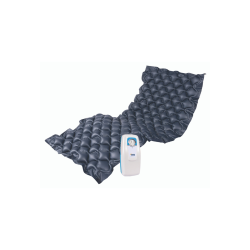
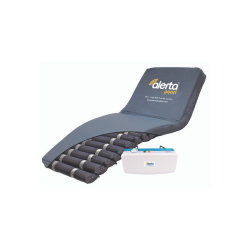
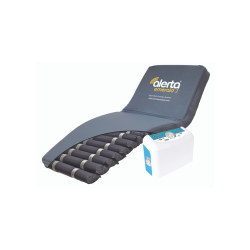
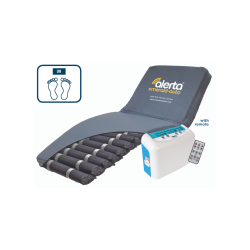
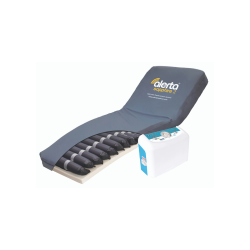
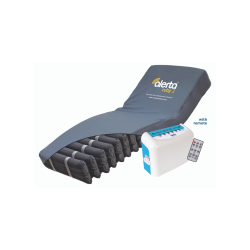
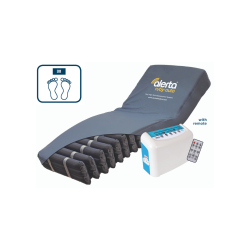
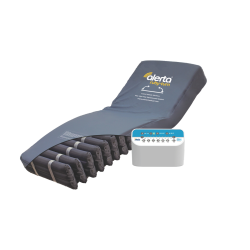
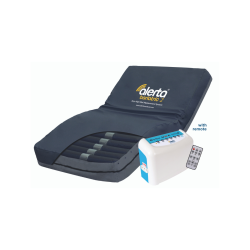
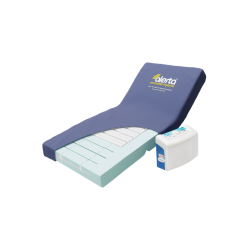
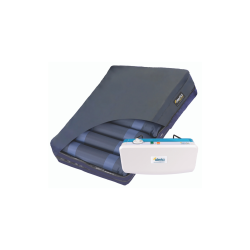
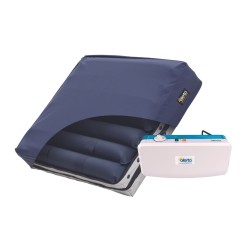
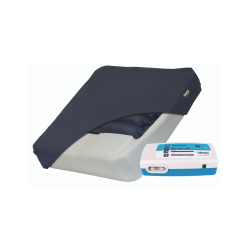
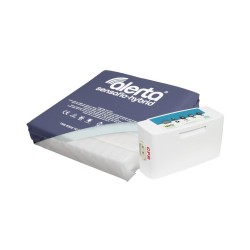
Selecting Active Pressure Care Systems for High-Risk Patient Management
Clinical Summary: Active pressure care systems use motorised alternating pressure or low air loss technology to continuously redistribute pressure beneath at-risk patients, and are indicated for patients at Category 2 and above on the EPUAP/NPIAP classification or where Waterlow or Braden risk assessment identifies high or very high pressure ulcer risk in line with NICE CG179.
Core Active Pressure Care System Types
- Alternating Pressure Mattress Systems: Motorised cell inflation cycles redistribute pressure continuously beneath the patient, preventing sustained tissue loading. Primary active system recommendation under NICE CG179 for high-risk patients.
- Low Air Loss Systems: Maintain constant low-pressure airflow through the mattress surface to manage microclimate moisture and temperature, indicated for complex wounds and patients with moisture-associated skin damage alongside pressure ulcer risk.
- Dynamic Hybrid Systems: Combine alternating pressure and low air loss technology for very high risk patients requiring simultaneous pressure redistribution and microclimate management.
- Alternating Pressure Overlays: Dynamic mattress toppers providing active pressure redistribution as a supplement to existing mattresses for medium-risk patients or where full mattress replacement is not immediately indicated.
Clinical Compliance and Tissue Viability Standards
Active pressure care systems supplied by Care Supplies carry MHRA registration and comply with NICE CG179 tissue viability guidance for the prevention and management of pressure ulcers. Specification requires documented individual pressure ulcer risk assessment using Waterlow, Braden, or equivalent validated tool, with system selection matched to risk category and existing wound status. Tissue viability nurses and clinical leads should be involved in specification decisions for Category 2 and above presentations. NHS continuing healthcare and community equipment service pathways support funded provision for eligible patients in care home and domiciliary settings.
| System Type | Clinical Indication | Risk Level | Key Standard |
|---|---|---|---|
| Alternating Pressure Mattress | Prevention and treatment of pressure ulcers | High to very high risk | NICE CG179 |
| Low Air Loss System | Complex wounds and moisture management | High to very high risk | NICE CG179 / EPUAP |
| Dynamic Hybrid System | Combined pressure and microclimate management | Very high risk | NICE CG179 / EPUAP |
| Alternating Pressure Overlay | Supplement for medium-risk patients | Medium risk | NICE CG179 |
Frequently Asked Questions
Q: When is an active pressure care system indicated over a static foam mattress?
A: NICE CG179 recommends active pressure care systems for patients assessed as high or very high risk using a validated tool such as Waterlow or Braden, or for patients with existing Category 2 or above pressure ulcers where static foam pressure redistribution alone is insufficient to manage the clinical presentation.
Q: Are active pressure care systems available through NHS continuing healthcare?
A: Yes. Alternating pressure mattresses and low air loss systems can be prescribed through NHS continuing healthcare pathways, community equipment services, and tissue viability nurse referral for eligible patients in care home and home care settings throughout the United Kingdom.