
Pressure Relief Cushions
Pressure relief cushions in gel, foam, and alternating pressure formats for wheelchair and seating pressure management across care homes, rehabilitation, and community settings, meeting NICE CG179 and CQC standards.
Selecting Pressure Relief Cushions for Seating and Wheelchair Management
Clinical Summary: Pressure relief cushions redistribute seating pressure to prevent ischial tuberosity and sacral pressure ulcers in patients spending extended periods seated, and are specified through individual postural and pressure risk assessment in line with NICE CG179 and EPUAP seating guidelines, with cushion type matched to assessed risk level and seating environment.
Pressure Relief Cushion Types
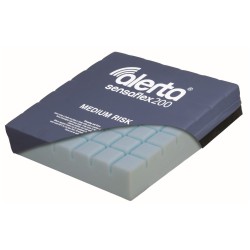
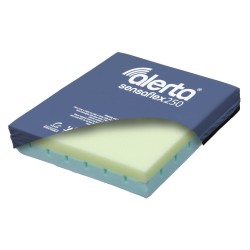
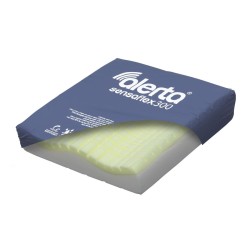
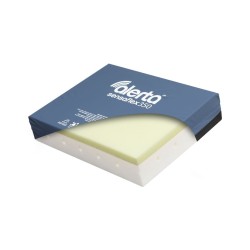
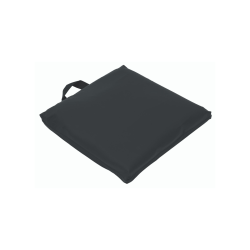
- Foam Pressure Cushions: Reactive and high-specification foam cushions providing passive pressure redistribution for low to medium risk patients in wheelchair and general seating environments. High-specification foam cushions meet NICE CG179 minimum seating standards for at-risk patients.
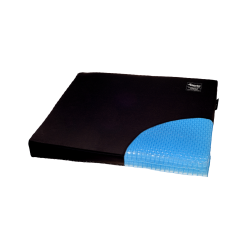
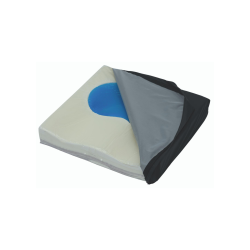
- Gel and Visco-Gel Cushions: Fluid gel or visco-gel inserts that conform to body contours and distribute pressure across a wider seating surface, appropriate for medium-risk patients with extended seated periods in care home and community settings.
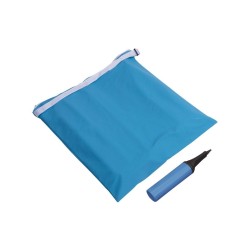
- Alternating Pressure Cushions: Motorised cell inflation cycles provide active pressure redistribution for high-risk patients with limited ability to self-reposition, mirroring the clinical principle of alternating pressure mattress systems in the seating environment.
- Contoured Positioning Cushions: Pre-shaped foam and gel cushions providing simultaneous postural support and pressure redistribution for patients with complex seating needs, spinal deformity, or significant postural asymmetry.
Clinical Compliance and Seating Assessment
Pressure relief cushion specification for CQC-registered care home residents and NHS patients requires documented individual seating pressure risk assessment, with cushion type and cover selection matched to the assessed risk level, seating environment, and any postural management requirements. NICE CG179 requires that pressure ulcer prevention addresses both bed and seating surfaces for all at-risk patients, making seating pressure management an integral component of the documented care plan. Occupational therapists and tissue viability nurses should be involved in complex seating assessments where postural and pressure management requirements interact.
| Cushion Type | Risk Level | Primary Application | Key Standard |
|---|---|---|---|
| Foam Pressure Cushion | Low to medium risk | General wheelchair and chair seating | NICE CG179 |
| Gel and Visco-Gel | Medium risk | Extended seating, care home chairs | NICE CG179 / EPUAP |
| Alternating Pressure Cushion | High to very high risk | Complex seating, limited repositioning | NICE CG179 |
| Contoured Positioning | All risk levels | Postural management and alignment | EPUAP Seating Guidelines |
Frequently Asked Questions
Q: When should a pressure relief cushion be specified for a care home resident?
A: A pressure relief cushion should be specified for any resident spending extended periods seated who is identified as at risk through Waterlow, Braden, or equivalent validated assessment. NICE CG179 requires that at-risk patients receive appropriate pressure redistribution equipment for both bed and seating surfaces as part of their documented pressure ulcer prevention care plan.
Q: Can pressure relief cushions be prescribed through NHS pathways?
A: Yes. Pressure relief cushions can be prescribed through NHS continuing healthcare, community occupational therapy referral, and community equipment services for eligible patients. Tissue viability nurses and occupational therapists assess and recommend specific cushion types based on individual seating pressure risk, postural needs, and lifestyle requirements.