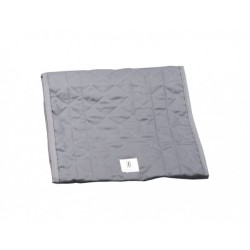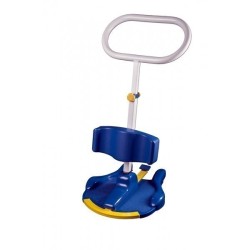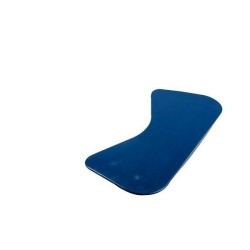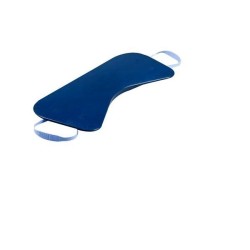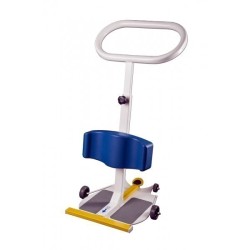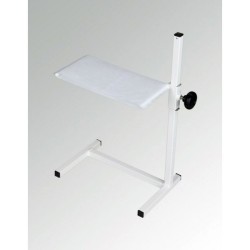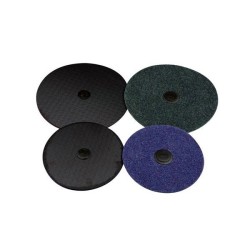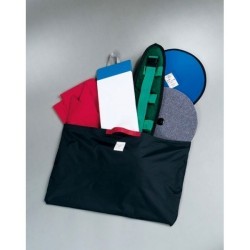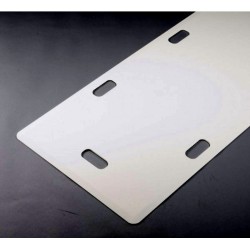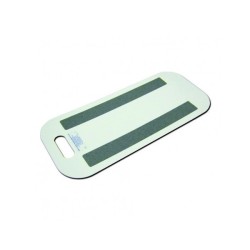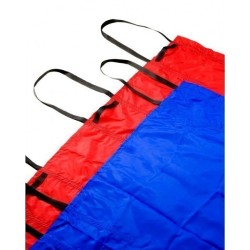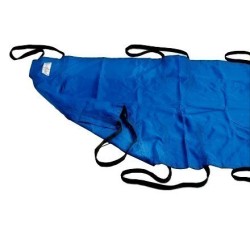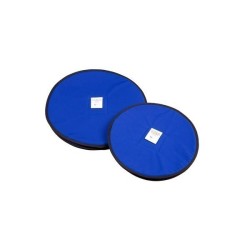
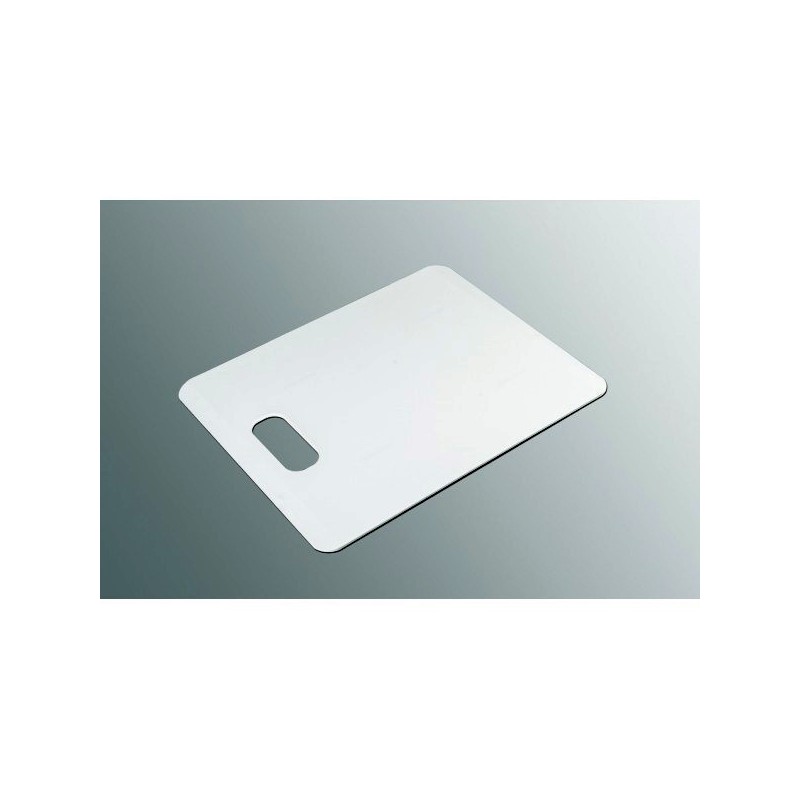

The Hawley Amputee Transfer Slide is a specialist transfer board specifically sized and shaped for bilateral amputees making transfers between wheelchair and bed, with a 50cm × 40cm format that provides the correct sliding platform for trunk-only lateral transfers where the patient has no lower limbs to assist with bridging or weight-bearing. The smooth upper surface and non-slip base enable the patient to slide laterally under their own power or with minimal carer assistance, converting what would otherwise be a high-risk lift or hoist transfer into a controlled, patient-driven sliding movement that preserves independence and reduces carer handling load.
| Specification | Detail |
|---|---|
| Dimensions | 50cm × 40cm |
| Upper Surface | Smooth for low-friction lateral sliding |
| Base | Non-slip to anchor on wheelchair seat and bed mattress |
| Patient Group | Bilateral amputees |
| Primary Transfer | Wheelchair to bed and bed to wheelchair |
| Type | Reusable |
Manual Handling Operations Regulations 1992 TILE risk assessment for bilateral amputee patients identifies the transfer from wheelchair to bed as a specific high-risk task: without a transfer board, the absence of lower limb weight-bearing capability means the transfer must be performed either by hoist (appropriate for patients who cannot perform any self-transfer) or by an assisted pivot that carries significant carer musculoskeletal injury risk. The Hawley Amputee Transfer Slide provides the third option - a patient-driven or minimally-assisted slide transfer - for bilateral amputees who retain sufficient upper body strength and sitting balance to perform a sliding transfer with the correct equipment. NHS prosthetics and rehabilitation teams, occupational therapists and moving and handling advisors should assess each bilateral amputee patient's suitability for slide transfer before the Hawley is prescribed as the transfer method in the patient's individual handling plan.
Why is the Hawley Amputee Transfer Slide a different size from standard transfer boards?
Standard transfer boards such as the Duo Transfer Slide are designed for patients with lower limbs who use the board as a bridge from one surface to another while maintaining some foot or lower leg contact with the floor or destination surface. A bilateral amputee has no lower limbs to bridge with, so the transfer occurs entirely through upper body movement across the slide surface, with the trunk needing to travel only the horizontal gap between the wheelchair seat and the bed surface. The 50cm × 40cm Hawley dimensions are calibrated for this shorter trunk-only transfer distance and the specific physical profile of a bilateral amputee patient, providing the correct coverage without the excess length of a standard board that would be impractical to position correctly for this patient group.
Can the Hawley Amputee Transfer Slide be used for patients with a single lower limb amputation?
The Hawley is designed and sized for bilateral amputees, where both lower limbs are absent. For patients with a single lower limb amputation who retain a functioning limb on one side, a standard transfer board such as the Duo Transfer Slide may provide a more appropriate surface, as the patient can use their remaining limb to assist with the transfer in a way that the Hawley's dimensions do not optimally support. An occupational therapist should assess the appropriate transfer board specification for each amputee patient individually, taking into account the amputation level, residual limb function, upper body strength and sitting balance, as these factors together determine the most appropriate transfer method and equipment.
Part of our specialist Patient Moving and Handling Equipment range, supporting safe patient transfers across care homes, hospitals, and home care environments.