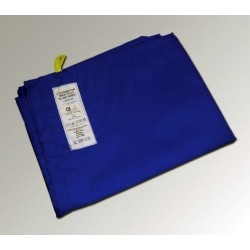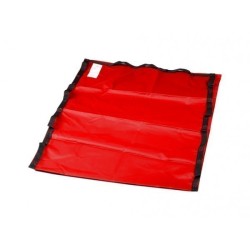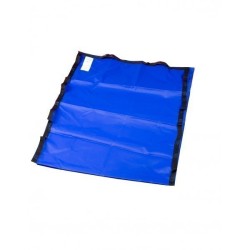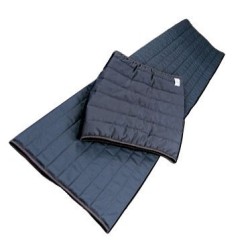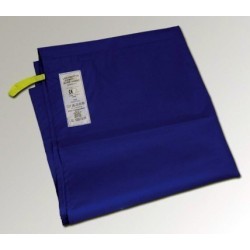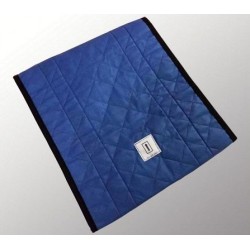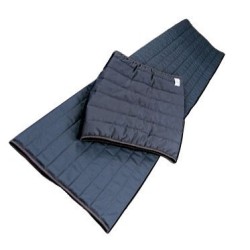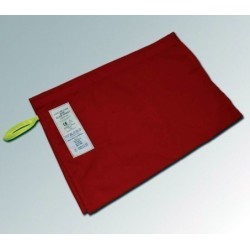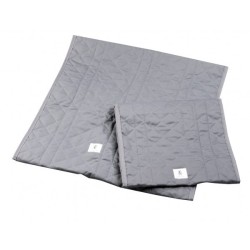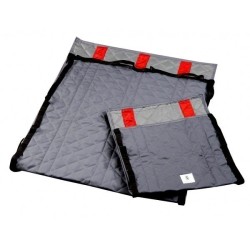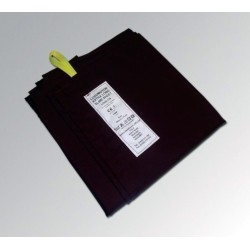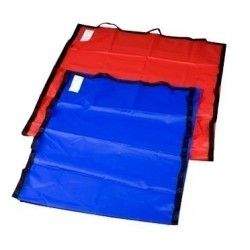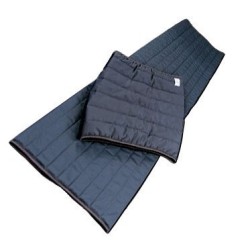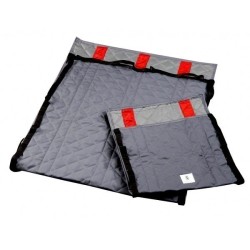
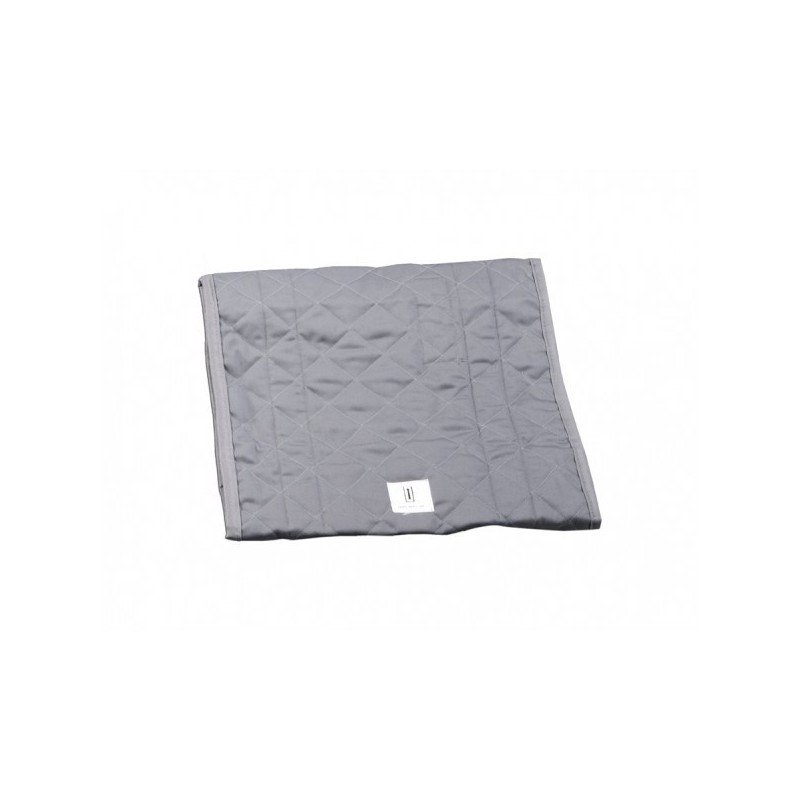

The Quilted Uni-Slide For Chairs is a reusable tubular-format patient handling aid that prevents patients from sliding forward in a chair while enabling care staff to reposition the patient back into a correct seated position using the one-directional locking mechanism. Available in two sizes for different chair seat widths, the quilted tubular construction provides a comfortable contact surface for patients requiring extended seated care, while the directional locking function reduces the number of carer repositioning interventions required per shift, directly supporting Manual Handling Operations Regulations 1992 compliance.
| Specification | Detail |
|---|---|
| Format | Tubular (cylindrical) |
| Construction | Quilted for patient comfort |
| Mechanism | One-directional slide with forward-movement lock |
| Sizes | Two sizes available |
| Type | Reusable, washable |
| Application | Chair use - seated patient repositioning |
The Quilted Uni-Slide For Chairs supports Manual Handling Operations Regulations 1992 compliance by reducing both the frequency and force of seated patient repositioning tasks. Without a Uni-Slide, a patient who slides forward in a chair requires a full manual repositioning lift - a high-risk manual handling task in terms of both load and posture, typically requiring two carers and carrying a significant risk of carer back injury. The Uni-Slide reduces the force of the repositioning task to a controlled push-back rather than a lift, and the locking mechanism maintains the patient's position reducing the frequency of these tasks. In care home and ward settings where chair-sitting patients require repositioning multiple times per shift, the cumulative manual handling reduction from routine Uni-Slide use is a meaningful component of a complete MHOR 1992 compliance programme.
Can the Quilted Uni-Slide For Chairs be used on a riser-recliner chair?
Yes, subject to the specific riser-recliner chair's seat geometry and the size of the Uni-Slide being appropriate for the seat dimensions when the chair is in the seated position. On a riser-recliner, the seat angle changes when the chair reclines, which affects the directional orientation of the Uni-Slide mechanism. In a fully reclined position, the forward-slide prevention function may be less relevant as the patient is no longer sitting upright against gravity. The primary benefit is in the standard seated position where the patient tends to slide forward: confirm with the occupational therapist or moving and handling advisor responsible for the patient's care that the Uni-Slide is appropriate for use with the specific riser-recliner chair model in the patient's care setting.
Does the quilted construction of the Uni-Slide affect its directional locking performance compared with non-quilted versions?
No. The directional locking mechanism is determined by the friction characteristics of the upper and lower surfaces of the Uni-Slide, not by the quilted construction of the material itself. The quilted layer adds padding between the surfaces without affecting the asymmetric friction design that creates the one-directional slide and locking function. The quilted version provides the same directional locking performance as non-quilted variants while adding the comfort benefit of the padded construction, making it particularly suitable for patients who require the aid to remain in place for extended periods without removal between repositioning episodes.
Part of our specialist Patient Moving and Handling Equipment range. Patient slide sheets reduce friction and manual handling risk for carers in residential and home care settings.