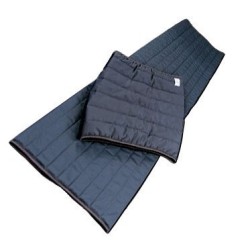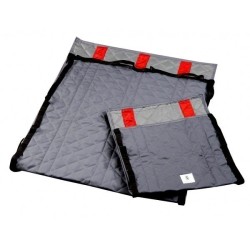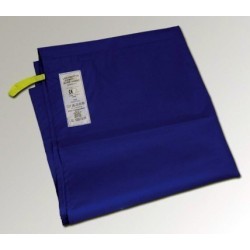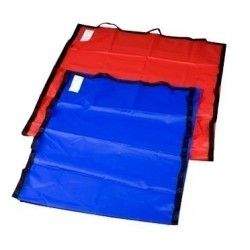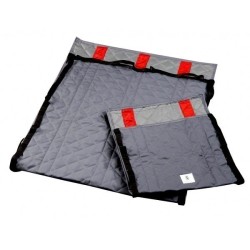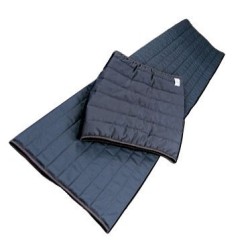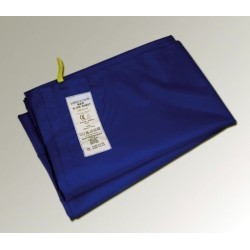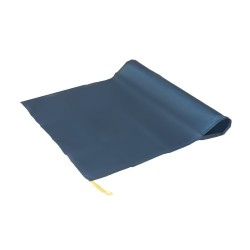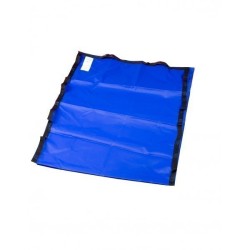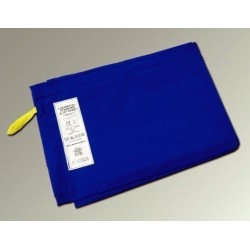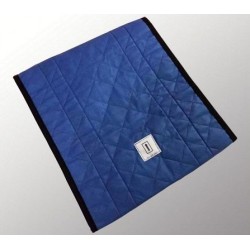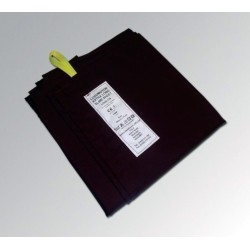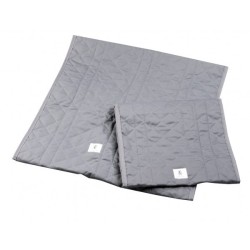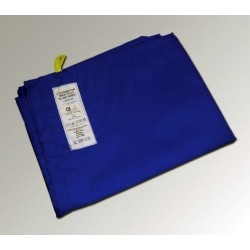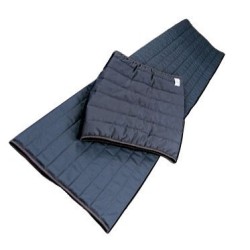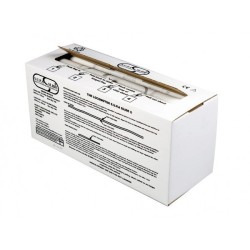
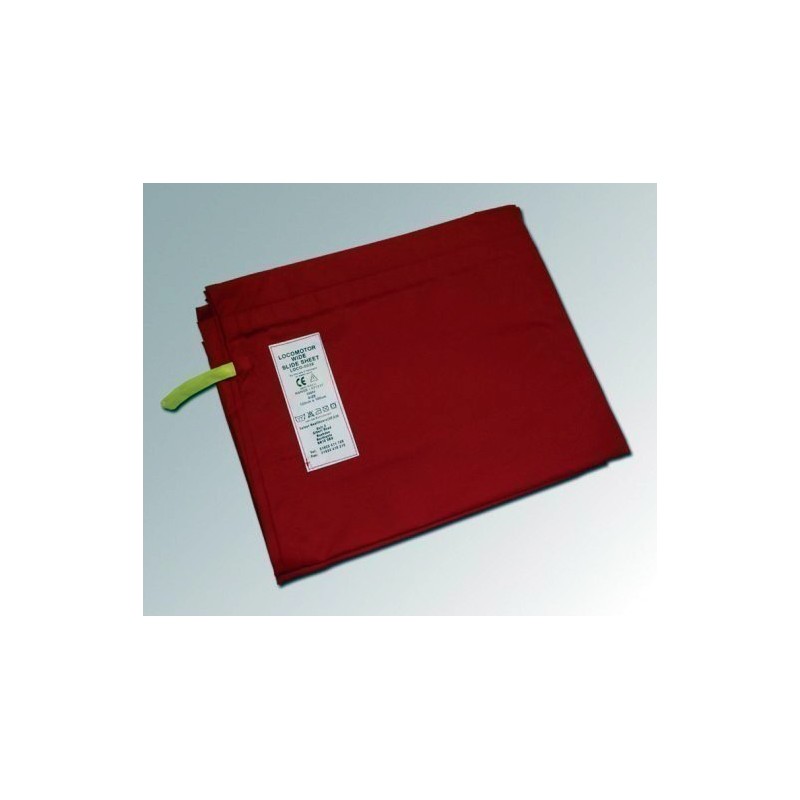

The Wide Ultra Slide Sheet is an extended-width format in the ULTRA range designed for bariatric and larger patients where a standard-width slide sheet does not provide sufficient coverage across the full trunk width for effective friction reduction during repositioning. When the slide sheet does not extend to the mattress surface on both sides of the patient, the uncovered edge areas generate increased friction during lateral movement, partially negating the friction-reduction benefit of the sheet and requiring greater carer force to complete the repositioning task. The Wide format resolves this by extending the sheet width to ensure full bilateral coverage throughout the repositioning manoeuvre for larger patients.
| Specification | Detail |
|---|---|
| Range | ULTRA slide sheet range |
| Size | Wide - extended width for bariatric and larger patients |
| Glide | Multidirectional - movement in any direction |
| Type | Reusable, washable |
| Indication | Bariatric patients, larger adults requiring wider coverage |
| Coverage | Full bilateral trunk coverage for wider patients |
Manual Handling Operations Regulations 1992 TILE risk assessment requires that patient handling equipment is matched to the physical dimensions of the patient, not simply their weight. For bariatric patients whose body width exceeds the coverage of a standard slide sheet, using a correctly sized Wide format is an MHOR 1992 compliance requirement - not an optional upgrade. NHS trusts with bariatric patient handling policies should specify Wide format slide sheets in the equipment inventory for any clinical area managing patients whose body width exceeds the coverage of the Standard format. CQC Regulation 12 (Safe Care and Treatment) requires that all patients are treated with the appropriate clinical equipment: using an undersized slide sheet for a bariatric patient is an equipment mismatch that creates an avoidable manual handling risk for both the patient and the care team.
Should the Wide Ultra be used for all bariatric patients, or only those above a specific weight threshold?
Width rather than weight is the primary factor for selecting the Wide format. The relevant criterion is whether the patient's trunk width, when lying supine, exceeds the width coverage of the Standard Ultra Slide Sheet - this is determined by the patient's body shape rather than a specific weight figure, as body fat distribution varies significantly between patients of similar weight. A patient with a high BMI but a relatively compact body shape may be adequately served by the Standard format, while a patient with a lower BMI but a wider body frame may require the Wide. Assess sheet adequacy by checking that the sheet extends to the mattress surface on both sides of the patient's trunk when placed in the repositioning position.
Is a Wide Ultra Slide Sheet sufficient for bariatric repositioning, or are additional aids required?
The Wide Ultra is a friction-reduction aid that reduces the force required for repositioning, but the number of carers, the need for additional mechanical aids (such as a ceiling hoist with repositioning sling or a lateral transfer board), and the specific technique used should be determined by the patient's individual moving and handling risk assessment. For very high-weight bariatric patients, a slide sheet alone may not reduce the repositioning force to within safe manual handling limits and additional mechanical assistance may be required. An occupational therapist or manual handling advisor should be involved in the risk assessment for bariatric patients to ensure the complete equipment package - including the correct slide sheet size - is specified for safe repositioning.
Part of our specialist Patient Moving and Handling Equipment range. Patient slide sheets reduce friction and manual handling risk for carers in residential and home care settings.