
Patient Slide Sheets
Patient slide sheets in flat and tubular low-friction formats for safe bed repositioning, lateral transfers, and manual handling assistance in care homes and NHS settings, meeting MHOR 1992 carer safety standards.
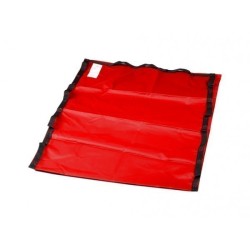
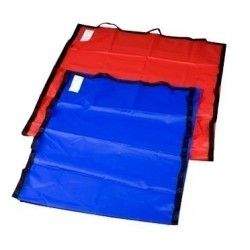
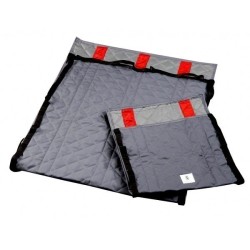
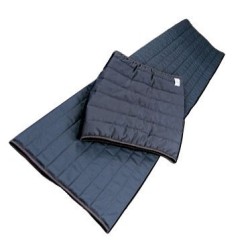
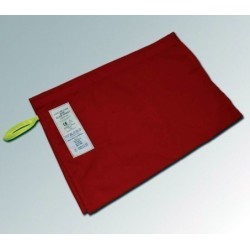
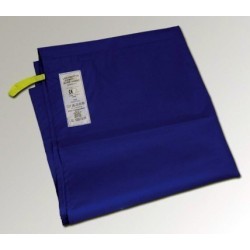
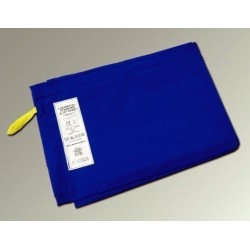
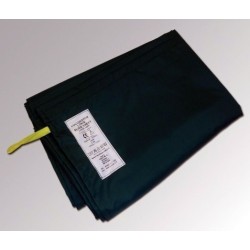
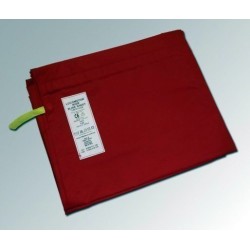
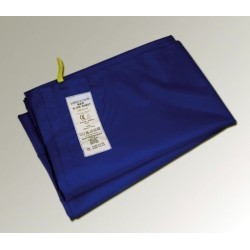
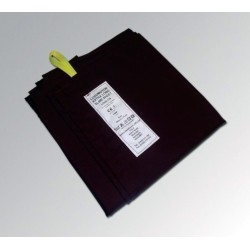
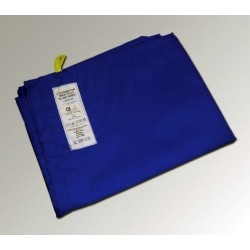
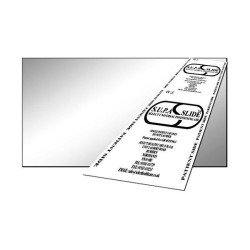
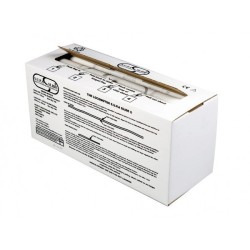
Patient Slide Sheets for Safe Low-Friction Manual Handling
Clinical Summary: Patient slide sheets reduce the friction forces involved in repositioning and transferring patients in bed, significantly reducing carer musculoskeletal injury risk and patient skin shear during manual handling procedures. Their use is a recognised MHOR 1992 risk control measure, and the Manual Handling Operations Regulations 1992 require employers to reduce manual handling risk to the lowest reasonably practicable level, making appropriate slide sheet provision a legal compliance requirement in CQC-registered care homes and NHS settings.
Patient Slide Sheet Types
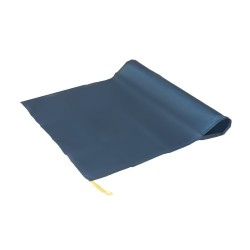
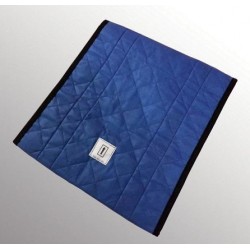
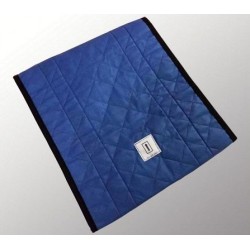
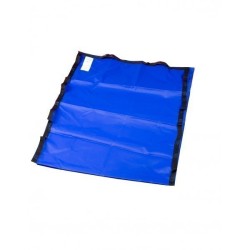
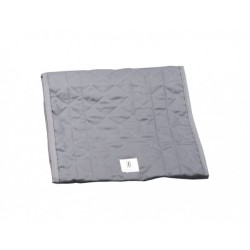
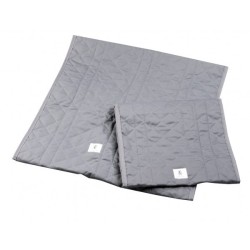
- Flat Slide Sheets: Single-layer low-friction polyester sheets placed between the patient and mattress surface to reduce friction during repositioning in bed, used in pairs to allow controlled sliding movement during lateral repositioning and up-the-bed procedures.
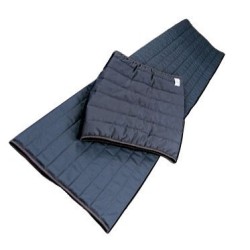
- Tubular Slide Sheets: Double-layer tubular construction creating a frictionless sliding surface between inner and outer layers, eliminating the need for two separate sheets and providing controlled lateral movement for bed-to-bed and lateral transfer procedures. The most widely used slide sheet format in UK care homes and NHS wards.
- Long Board Transfer Sheets: Extended slide sheet systems for full lateral body transfers between beds, trolleys, and theatre tables, providing a controlled low-friction transfer surface across the full patient length for safe multi-carer lateral transfer procedures.
- Single-Use Slide Sheets: Disposable single-use slide sheets for infection control environments, cross-infection prevention settings, and situations where laundering of reusable sheets is not operationally feasible between patient uses.
Clinical Compliance and Manual Handling Standards
Patient slide sheets supplied by Care Supplies comply with MHOR 1992 risk reduction principles and meet RCN manual handling guidance recommendations for slide sheet use in patient repositioning procedures. Appropriate slide sheet selection, staff training in correct use, and documented assessment of patient handling needs are required components of MHOR 1992 compliance in CQC-registered care homes. Slide sheets should be included in individual patient manual handling risk assessments, with the appropriate slide sheet type and technique specified in the handling plan. Tissue viability compatibility should be considered, as slide sheet use should complement rather than compromise pressure area management during repositioning.
| Slide Sheet Type | Primary Application | Key Feature | Key Standard |
|---|---|---|---|
| Flat Slide Sheet (pair) | Bed repositioning, up-the-bed | Low-friction layer between surfaces | MHOR 1992 |
| Tubular Slide Sheet | Lateral transfers, repositioning | Double-layer frictionless tube | MHOR 1992 |
| Long Board Sheet | Full lateral body transfer | Extended length, multi-carer use | MHOR 1992 |
| Single-Use Sheet | Infection control environments | Disposable, no laundering required | CQC IPC Standards |
Frequently Asked Questions
Q: Are patient slide sheets required under MHOR 1992 in care homes?
A: MHOR 1992 requires employers to reduce manual handling risk to the lowest reasonably practicable level. For patient repositioning and lateral transfers, slide sheets are a well-established risk reduction measure, and failure to provide them when they would significantly reduce carer injury risk could constitute a breach of the regulations. CQC inspections assess whether appropriate manual handling equipment including slide sheets is available and used correctly.
Q: What is the difference between flat and tubular slide sheets?
A: Flat slide sheets are single-layer and used in pairs, with the low-friction surfaces facing each other to allow movement. Tubular slide sheets are a double-layer tube that achieves the same low-friction interface within a single unit, making them simpler to use and reducing the risk of incorrect positioning. Tubular slide sheets are generally preferred in care home settings for their ease of use in daily repositioning procedures.