
Patient Transfer Aids
Patient transfer aids including transfer boards, lateral transfer systems, and turning discs for safe bed-to-chair, lateral, and standing transfers in care homes and NHS settings, reducing carer manual handling risk under MHOR 1992.
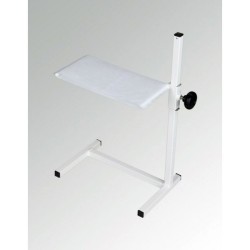
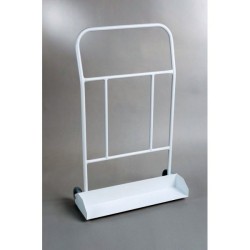
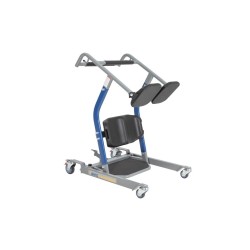
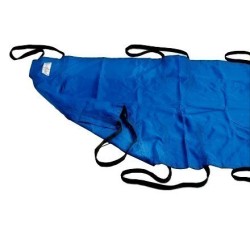
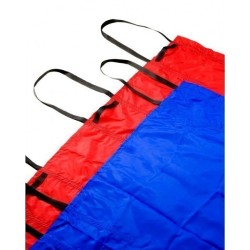
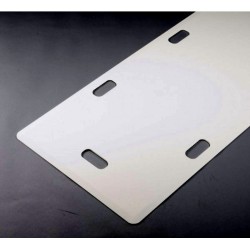
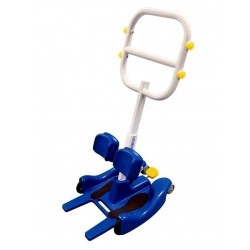
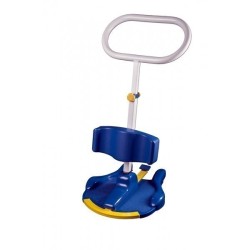
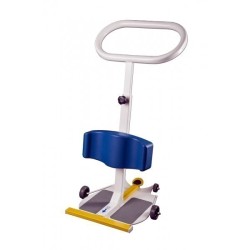
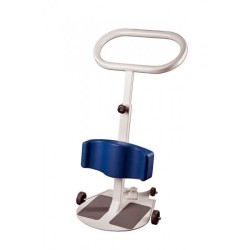
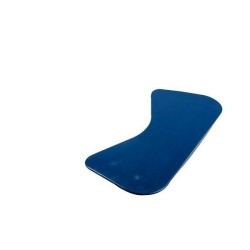
Patient Transfer Aids for Safe Lateral and Seated Transfers
Clinical Summary: Patient transfer aids reduce the physical forces required during lateral and seated patient transfers, providing a low-friction or mechanical transfer pathway between two surfaces that significantly reduces carer musculoskeletal loading compared to unsupported transfers. Equipment selection should be matched to the patient transfer type, surface heights, and patient ability through individual manual handling risk assessment under MHOR 1992.
Patient Transfer Aid Types
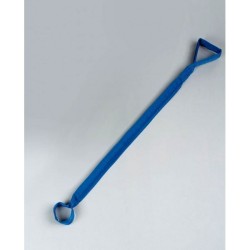
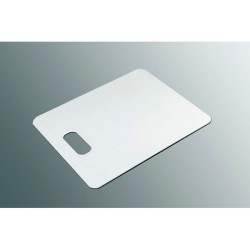
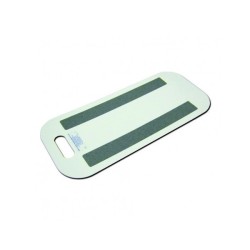
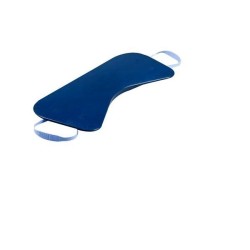
- Banana Boards and Transfer Boards: Rigid curved or straight boards bridging the gap between two seated surfaces — typically wheelchair to bed or chair — enabling patients to slide across the board with or without carer assistance, reducing the lifting and rotational forces required for a standing pivot transfer.
- Lateral Transfer Systems: Low-friction roller board and sheet systems for full lateral body transfers between bed and trolley or bed and bed surfaces, providing a controlled sliding transfer pathway for multi-carer lateral transfer procedures in hospital and care home environments. Significantly reduces carer spinal loading compared to unsupported lateral lifts.
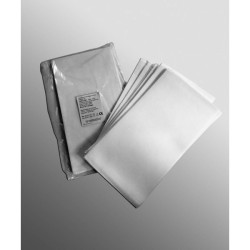
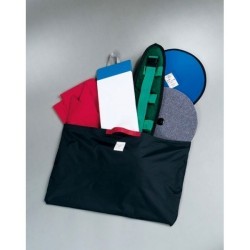
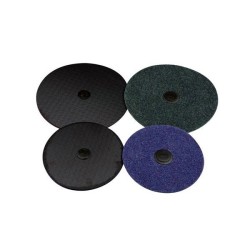
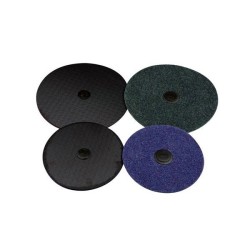
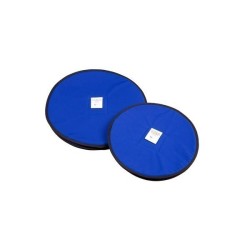
- Transfer Turning Discs: Rotating disc platforms placed on seat surfaces or floors enabling controlled patient turning during seated and standing pivot transfers, reducing the rotational handling forces required from care staff during repositioning between transfer points.
- Emergency Patient Evacuation Aids: Ski pad and evacuation sheet systems enabling safe floor-level patient movement during emergency evacuation procedures where standard transfer equipment cannot be used due to staircase geometry or emergency time constraints.
Clinical Compliance and Transfer Standards
Patient transfer aids supplied by Care Supplies comply with MHOR 1992 risk reduction principles and are selected to reduce patient transfer forces to the lowest reasonably practicable level for the transfer type and patient ability. Transfer board and lateral transfer system use should be specified in individual patient manual handling plans following TILE risk assessment, with staff training in the correct technique for each device and transfer type. Lateral transfer systems used in NHS settings should comply with NHS Estates and Care Settings Manual for lateral transfer procedures. Transfer aids should be included in care home equipment inspection schedules with documented condition checks recorded for CQC review.
| Aid Type | Transfer Type | Patient Requirement | Key Standard |
|---|---|---|---|
| Transfer Board | Seated lateral, wheelchair to bed | Some upper limb strength | MHOR 1992 |
| Lateral Transfer System | Full body lateral, bed to trolley | Full dependency lateral transfer | MHOR 1992 / NHS Estates |
| Transfer Turning Disc | Seated and standing pivot | Partial or full seated ability | MHOR 1992 |
| Evacuation Aid | Emergency floor-level evacuation | All dependency levels | Fire Safety / HSE |
Frequently Asked Questions
Q: How does a transfer board reduce manual handling risk during patient transfers?
A: A transfer board bridges the gap between two seated surfaces at the same or similar height, allowing the patient to slide across the board rather than being lifted and moved. This eliminates the lifting component of the transfer and replaces it with a controlled sliding movement, significantly reducing the vertical force the carer must apply and the spinal loading associated with lifting and lowering a patient between surfaces of similar height.
Q: What training do care staff need before using patient transfer aids?
A: Care staff must receive specific training in the correct use of each transfer aid deployed in the care environment as part of the mandatory manual handling training required under MHOR 1992. Training should cover correct equipment set-up, patient positioning, technique for the specific transfer type, patient communication during the transfer, and recognition of situations where the transfer aid is not appropriate and an alternative method should be used. Training records should be retained and available for CQC inspection.