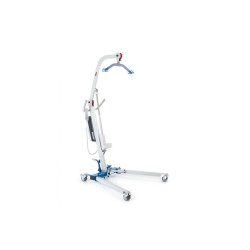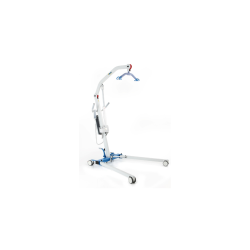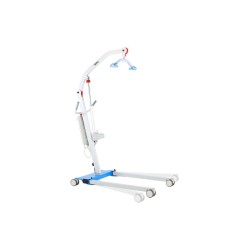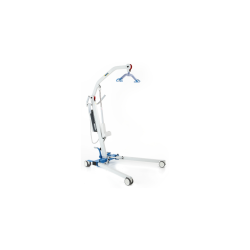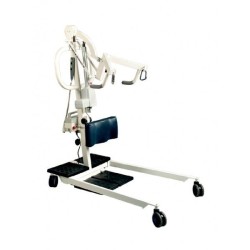
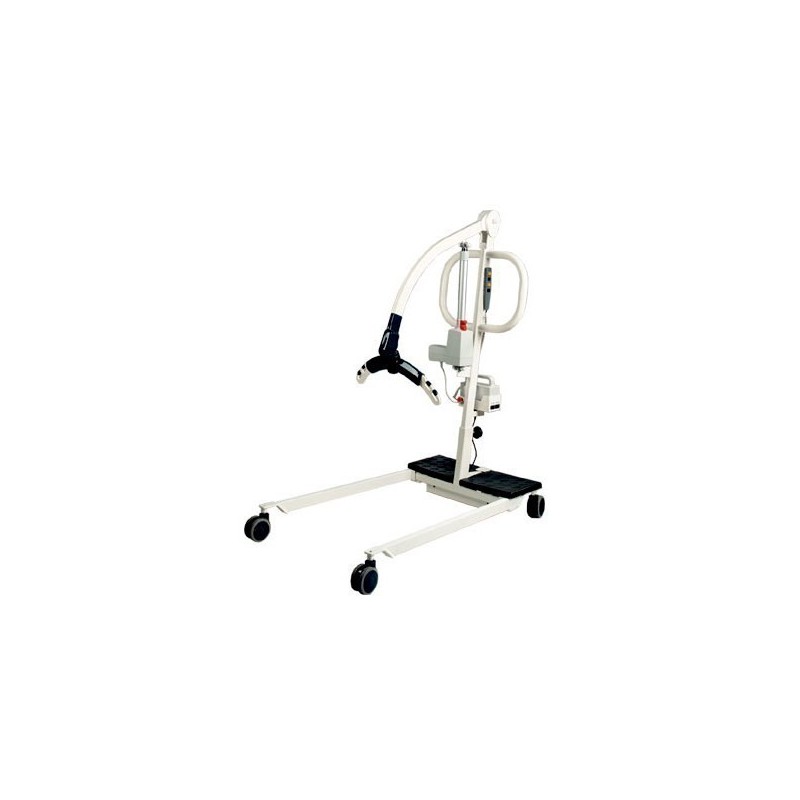

The Escort Patient Hoist is a mobile patient hoist specified for care environments where the standard maximum lift height of a conventional hoist is insufficient to safely transfer patients on and off pressure-relieving mattresses. Pressure-relieving mattresses - including dynamic alternating pressure systems and high-specification foam mattresses - sit significantly higher than standard hospital mattresses, requiring a greater maximum lift height to safely clear the mattress surface during transfer. The Escort addresses this by providing an extended lift height in a mobile hoist format. The malfunction backup system ensures that in the event of motor failure, the patient can be safely lowered without requiring engineering intervention, protecting patient dignity and supporting safe emergency care management.
| Specification | Detail |
|---|---|
| Hoist Type | Mobile patient hoist with extended high-lift |
| Maximum SWL | 160kg (25 stones) |
| Lift Height | Extended high-lift for pressure-relieving mattresses |
| Backup System | Manual malfunction backup for safe patient lowering |
| Sling Compatibility | Complete range of washable and disposable slings |
| Product Code | NCL-LOCO-099 |
The Escort Patient Hoist is subject to LOLER 1998 as equipment used to lift people. LOLER 1998 requires thorough examination every 6 months by a competent person, with written examination reports retained on site and accessible to CQC inspectors under Regulation 12 (Safe Care and Treatment). The malfunction backup system is directly relevant to CQC Regulation 12: a safe failure mode that allows patient lowering without engineering support protects against a suspended patient scenario, which constitutes a serious safeguarding risk. Sling selection must be individually assessed and prescribed for each patient; all slings used must be within the 160kg SWL and appropriate for the patient's weight, posture and transfer type. NHS SICPs (Standard Infection Control Precautions) guidance supports the use of disposable slings for patients with infections including MRSA and C. difficile; the Escort is compatible with both washable and disposable sling types.
Why is an extended lift height needed specifically for pressure-relieving mattresses?
A standard hospital mattress on a profiling bed sits at a relatively consistent height. Pressure-relieving mattresses - particularly alternating pressure dynamic systems and high-specification foam mattresses - add significant additional height above the mattress platform, often raising the patient's resting height by 10-20cm compared to a standard mattress. When a standard mobile hoist reaches its maximum lift height while the patient is still at mattress level rather than clear of the mattress surface, safe transfer becomes impossible without the extended lift capability the Escort provides. Care settings that use pressure-relieving mattresses routinely should assess whether their existing hoists provide sufficient lift height before specifying standard mobile hoists for those beds.
What does the malfunction backup system do and when is it used?
The malfunction backup system provides a manual mechanism that allows the hoist arm to be lowered safely if the motor fails while the patient is suspended. A suspended patient who cannot be lowered is an immediate safeguarding emergency; the backup system prevents this scenario from escalating while engineering support is sought. The backup mechanism is activated by a carer in the event of motor malfunction and does not require specialist knowledge or tools. All carers using the Escort should be trained in activating the backup system as part of their hoist competency training.
Part of our specialist Patient Moving and Handling Equipment range, providing CQC and LOLER compliant patient lifting solutions for care homes, NHS trusts, and home care settings across the UK.