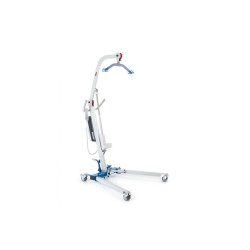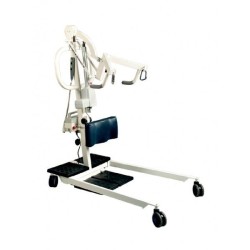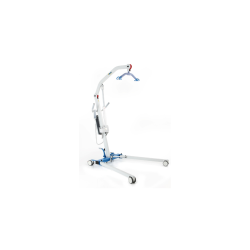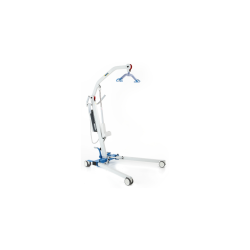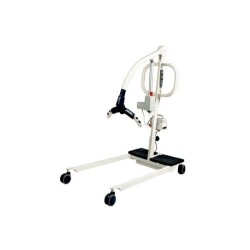
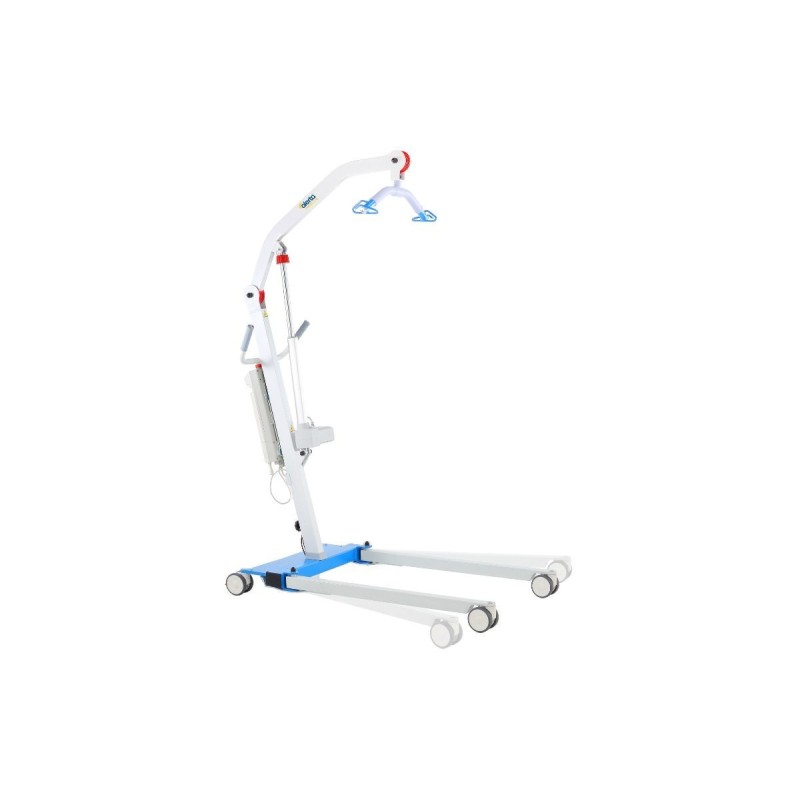

The Alerta Powerlifter Maxi 175-E is the electric legspread variant of the Maxi 175, sharing the same 175kg safe working load, TiMotion control system, 360-degree TPR anti-swing spreader bar and tool-free disassembly, with one critical addition: the electric legspread system adjusts the base width via the handset without requiring the carer to manually move the base legs. In tight care environments - beside narrow beds, in small bathrooms or around specialist seating - manual legspread adjustment adds a MHOR 1992 manual handling step that the electric system eliminates. The 175-E is the appropriate specification for high-frequency transfer environments or where carers experience difficulty with manual legspread adjustment on the standard Maxi 175.
| Specification | Detail |
|---|---|
| Hoist Type | Mobile transfer hoist |
| Maximum SWL | 175kg |
| Control System | TiMotion (handset and control box) |
| Legspread | Electric (handset-controlled) - key differentiator |
| Safety Features | Emergency stop, visual and audible battery indicators |
| Spreader Bar | 360-degree rotation, TPR anti-swing coating |
| Castors | Braked rear castors |
| Disassembly | Tool-free two-section disassembly |
The Alerta Powerlifter Maxi 175-E is subject to LOLER 1998 as equipment used to lift people, requiring 6-monthly thorough examination by a competent person and retention of written examination reports. The electric legspread system directly addresses MHOR 1992 by eliminating the manual carer effort required to adjust the base width during transfers - a step that can represent a significant cumulative manual handling load in high-frequency transfer settings. CQC Regulation 12 (Safe Care and Treatment) requires maintained LOLER records. CQC Regulation 10 (Dignity and Respect) is supported by the smooth, electric lift and legspread operation, which provides a calmer and more controlled transfer experience compared to manual adjustment. NICE CG179 (Pressure Ulcer Prevention): patient slings must be removed after every transfer unless a sit-in sling has been individually prescribed and assessed.
When should I specify the 175-E over the standard Maxi 175?
The 175-E is indicated where: (1) carers perform frequent transfers and manual legspread adjustment accumulates as a significant MHOR 1992 load; (2) the care environment includes tight spaces where manual legspread adjustment requires awkward carer postures; or (3) an occupational therapy assessment has identified manual legspread as a specific manual handling risk for the care team. Where manual legspread is manageable and transfer frequency is moderate, the standard Maxi 175 provides the same lift performance at a lower cost.
Does the electric legspread require separate maintenance under LOLER 1998?
The electric legspread motor and actuator are part of the hoist system and are covered by the LOLER 1998 6-monthly thorough examination. The competent person carrying out the thorough examination should assess the full system, including the legspread mechanism, actuator function and handset control, as part of the examination. Any defect identified in the legspread system should be reported in the examination report and rectified before the hoist is returned to use.
Part of our specialist Patient Moving and Handling Equipment range, providing CQC and LOLER compliant patient lifting solutions for care homes, NHS trusts, and home care settings across the UK.