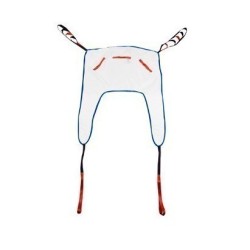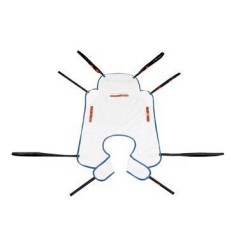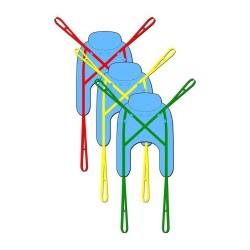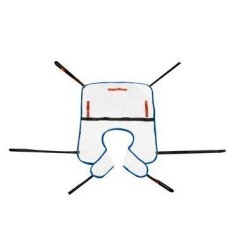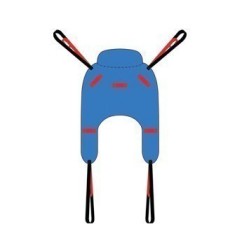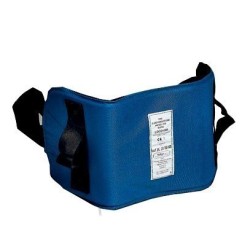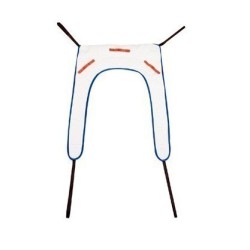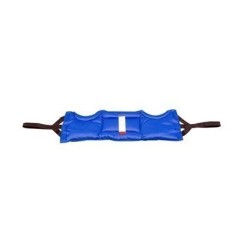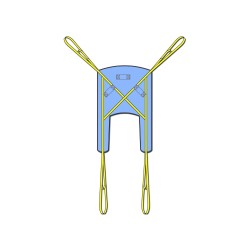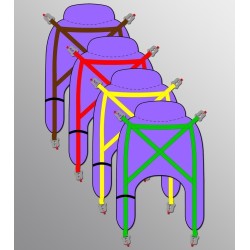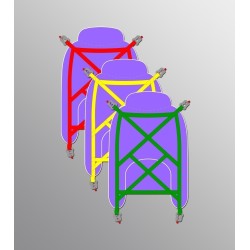
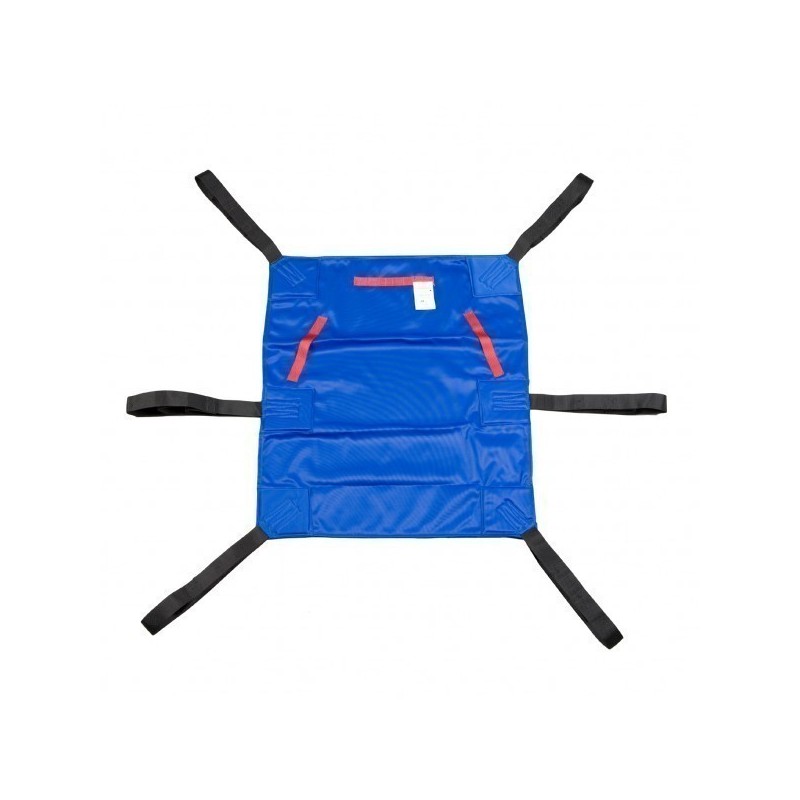

The Select Healthcare Hammock Patient Handling Sling provides full-body cradle support during hoist-assisted transfers, making it the appropriate sling specification for bilateral amputees and other patients where standard slings relying on leg straps cannot provide safe, comfortable lower-body support. The hammock design encloses the patient from shoulders to base without requiring lower limb contact points, distributing the patient's weight across the full sling surface during the hoist transfer arc. It is compatible with hoists fitted with a standard spreader bar configuration and forms part of the Locomotor Sling Range.
| Specification | Detail |
|---|---|
| Brand | Select Healthcare - Locomotor Sling Range |
| Type | Hammock full-body sling |
| Hoist Compatibility | Standard spreader bar hoists ONLY |
| Not Compatible With | Wishbone spreader bar or buckle-fastening hoists |
| Primary Indication | Bilateral amputees, full-body support requirement |
| Type | Reusable, washable |
LOLER 1998 (Lifting Operations and Lifting Equipment Regulations) classifies patient hoist slings as lifting accessories that must be thoroughly examined by a competent person at intervals not exceeding six months, with examination records maintained for inspection. Before each individual use, the Hammock Sling should be visually inspected for fraying at the strap attachment points, damage to the sling body fabric and deterioration of any seams or stitching, with any sling showing signs of wear removed from service immediately regardless of when the last LOLER examination was conducted. Hoist-sling compatibility must be confirmed before use: the Hammock Sling is designed for standard spreader bar hoists only, and using it with a wishbone spreader bar or buckle-fastening hoist creates an unsafe attachment configuration that represents a LOLER compliance failure and a patient safety risk.
Why is the Hammock Sling recommended specifically for amputees over standard patient handling slings?
Standard patient handling slings support the patient by passing leg straps under each thigh to hold the lower body during the hoist transfer. For bilateral amputees who have no thighs to pass leg straps under, this lower-body support mechanism is absent, and standard slings cannot be safely configured for a comfortable, secure transfer. The Hammock Sling's full-body cradle design supports the entire patient from shoulders to residual limbs without relying on leg straps, making it the appropriate specification for bilateral amputees. An occupational therapist should assess each amputee patient's sling specification individually, as the amputation level and remaining limb configuration affect the appropriate sling type.
How should the Hammock Sling be positioned for a seated hoist transfer?
Sit the patient forward and position the sling so that the base of the sling sits under the patient's base of support, with the top of the sling positioned around the shoulders. Ensure the sling is centrally positioned without creasing or rucking before attaching to the spreader bar. For more upright positioning during the lift, keep the leg straps longer; for a more reclined position, shorten the leg straps. Confirm the attachment is secure on both sides of the spreader bar before initiating the lift. All hoist transfers should be performed by trained staff who have been assessed as competent in the specific sling and hoist combination used.
Part of our specialist Patient Moving and Handling Equipment range. Our patient slings are designed for safe, compliant transfers in care homes and clinical environments.