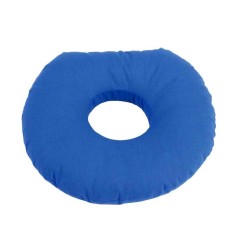


The Maximise Visco Cushion (NCL-MXVC-PFCV, 43x41x10cm) uses a viscoelastic memory foam top layer over a high-density base for superior seated pressure redistribution. Cover available in vapour-permeable wipe-clean or terry towelling. MDR 2017/745 compliant. Tissue viability nurse assessment recommended.
| Specification | Detail |
|---|---|
| Reference | NCL-MXVC-(PFCV) |
| Dimensions | 43 x 41 x 10 cm |
| Top Layer | Viscoelastic (memory foam) |
| Base Layer | High-density supportive foam |
| Cover Options | Vapour-permeable wipe-clean; or terry towelling |
| MDR Compliance | MDR 2017/745 |
The same NICE CG179, MDR 2017/745, and CQC Regulation 12 compliance framework applicable to the Maximise Contour Cushion (NCL-MXCC-PFC) applies to the Maximise Visco Cushion. The viscoelastic foam may provide a higher level of pressure redistribution than standard modular foam for residents with greater pressure ulcer risk, and the tissue viability nurse should assess which cushion specification is appropriate for the individual risk level. Some residents may find the initial cold firmness of viscoelastic foam less comfortable before it warms to body temperature; this should be considered in the clinical assessment.
When should the Visco Cushion be specified over the Contour Cushion?
The Maximise Visco Cushion (NCL-MXVC) should be considered where the tissue viability nurse assessment indicates a higher pressure ulcer risk level that requires more responsive pressure redistribution than standard modular foam provides. The viscoelastic memory foam provides more pronounced contouring to individual anatomy and reduces peak pressure at bony prominences more effectively than non-viscoelastic foam, making it appropriate for residents with greater tissue viability vulnerability. For lower-risk residents where a standard modular foam cushion (NCL-MXCC) provides adequate redistribution, the contour cushion remains appropriate. Cost and resident comfort preferences may also inform the specification.
When should the terry towelling cover be chosen over the vapour-permeable version?
The terry towelling cover should be considered for homecare or residential settings where the resident's comfort against the cover material is the primary priority and NHS IPC wipe-clean requirements do not apply. Terry towelling provides a soft, warm, absorbent surface that some residents find more comfortable against the skin than vapour-permeable synthetic covers. However, terry towelling is not wipe-clean and cannot be decontaminated with a surface disinfectant wipe between uses; in care home settings where NHS IPC decontamination requirements apply, the vapour-permeable wipe-clean cover is the appropriate specification. Terry towelling covers require machine washing for decontamination, which must be factored into the care home's linen management programme.