
Patient Transfer Scales
Patient transfer scales for accurate weighing during hoist and sling transfers, enabling safe in-situ weighing for immobile patients in care homes and NHS settings without additional transfer handling or dedicated weighing equipment.
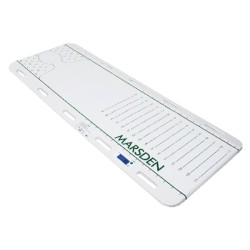
Patient Transfer Scales for In-Situ Hoist and Sling Weighing
Clinical Summary: Patient transfer scales attach between the hoist spreader bar and patient sling, providing accurate patient weight during routine hoist transfers without requiring a separate weighing episode. Class III approved transfer scale attachments enable medication dosing-quality weight data during daily care activities for hoist-dependent patients in care homes and NHS settings, eliminating additional manual handling for dedicated weighing.
Patient Transfer Scale Features
- Hoist Bar Integration: Transfer scale units attach directly between the hoist spreader bar and sling attachment points, weighing the patient during the standard hoist lift without modification to care routine or additional transfers. Compatible with principal UK hoist manufacturers including Arjo, Joerns, Invacare, and Prism Medical formats.
- Digital Weight Display: Clear digital weight display on the scale unit readable by care staff during the hoist transfer, with hold function freezing the reading at peak weight for accurate recording when the patient is fully suspended.
- Class III Approved Accuracy: Class III approval under the Non-Automatic Weighing Instruments Regulations 2016 confirms accuracy to the standard required for medication dosing weight data, making transfer scale measurements legally and clinically equivalent to floor or chair scale weights.
- Lightweight Construction: Transfer scale units are designed to minimise additional weight on the hoist system, with lightweight aluminium or reinforced polymer construction maintaining hoist safe working load compliance throughout the weighing process.
Clinical Compliance and Hoist Safety Standards
Patient transfer scales supplied by Care Supplies carry Class III approval under the Non-Automatic Weighing Instruments Regulations 2016 and MHRA registration where applicable. The combined weight of the transfer scale unit plus sling and patient must not exceed the safe working load of the hoist system in use, and this should be verified at procurement by comparing the hoist SWL against the anticipated patient weight range plus equipment weight. Hoist safe working load is typically indicated on the hoist frame and in the equipment documentation. Transfer scale attachment and detachment should be included in staff hoist training to ensure consistent safe practice across the care team.
| Feature | Specification | Clinical Benefit |
|---|---|---|
| Weight Capacity | Up to 250kg to 300kg typical | Full hoist patient weight range |
| Display | Digital, hold function | Accurate reading during transfer |
| Hoist Compatibility | Standard spreader bar attachment | No additional transfers required |
| Approval | Class III / NAWI 2016 | Valid for medication dosing use |
Frequently Asked Questions
Q: Are patient transfer scales compatible with all hoist types?
A: Patient transfer scales are designed for compatibility with standard spreader bar attachment points used across principal UK hoist manufacturers including Arjo, Joerns, Invacare, and Prism Medical. Compatibility should be confirmed by checking the spreader bar attachment dimensions against the transfer scale mounting specification. The combined weight of scale, sling, and patient must not exceed the hoist safe working load, which must be verified before use.
Q: Can patient transfer scale weights be used for medication dosing?
A: Yes, provided the transfer scale carries Class III approval under the Non-Automatic Weighing Instruments Regulations 2016. Class III approved transfer scales provide medication dosing-quality weight data during routine hoist transfers, eliminating the need for a separate weighing episode for hoist-dependent patients in care home and NHS settings.