
Patient Alarm Accessories
Patient alarm accessories including replacement sensor pads, pager receivers, extension leads, and floor mats for maintaining and extending bed and chair monitoring systems across care home and NHS falls prevention programmes.
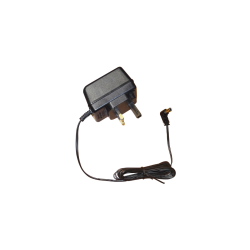
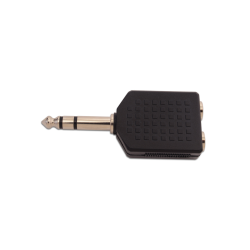
Patient Alarm Accessories for Monitoring System Maintenance and Expansion
Clinical Summary: Patient alarm accessories maintain monitoring system performance and extend system capability across additional care environments, with replacement sensor pads, pager units, and floor mats ensuring consistent falls prevention coverage for all residents on active monitoring programmes. Accessories should be compatible with the specific alarm system installed and replaced according to manufacturer guidance to maintain clinical monitoring performance.
Patient Alarm Accessory Types
- Replacement Sensor Pads: Bed and chair sensor pads require replacement after extended use as repeated compression cycles reduce pressure sensitivity over time. Regular sensor pad replacement maintains accurate detection performance and reduces the risk of monitoring failure for high-risk residents.
- Pager and Receiver Units: Replacement or additional portable pager units extend wireless system alert coverage to additional care staff, supporting higher staff-to-resident ratios and multi-floor care environments where a single pager is insufficient for consistent alert response. Ensure pager compatibility with the specific wireless alarm system installed.
- Floor and Door Mat Sensors: Additional floor mat sensors extend monitoring coverage to beside-bed positions, bathroom doorways, and corridor exit points for residents with nocturnal wandering or high environmental mobility risk requiring wider area coverage.
- Extension Leads and Cables: Extension leads and sensor connection cables enable sensor pad placement at optimal positions relative to the patient without constraint from fixed socket or alarm unit location, supporting bed and furniture configuration changes without system reinstallation.
Compatibility and Replacement Standards
Patient alarm accessories supplied by Care Supplies are specified for compatibility with principal alarm system brands currently deployed across UK care homes. Sensor pad replacement intervals vary by manufacturer and usage intensity, with most systems recommending replacement at 6 to 12 month intervals or when detection sensitivity is observed to have reduced. Pager and receiver units should be tested monthly as part of falls prevention equipment audit procedures, with documented evidence of testing and any accessory replacement recorded in the care environment maintenance log as supporting evidence for CQC safe environment inspections.
| Accessory Type | Primary Function | Replacement Indicator | Compatibility |
|---|---|---|---|
| Replacement Sensor Pad | Bed or chair movement detection | Reduced sensitivity, 6 to 12 months | System-specific |
| Pager Receiver | Staff alert delivery | Battery failure, damage, expansion need | System-specific |
| Floor Mat Sensor | Bedside and area monitoring | Surface wear, connector damage | System-specific |
| Extension Lead | Sensor positioning flexibility | Cable damage, configuration change | Standard connector types |
Frequently Asked Questions
Q: How often should patient alarm sensor pads be replaced?
A: Most manufacturers recommend replacing bed and chair sensor pads every 6 to 12 months, or sooner if detection sensitivity appears to have reduced based on staff observation or monthly equipment testing. Worn sensor pads may fail to detect patient movement reliably, creating gaps in falls prevention monitoring coverage that should be documented and actioned promptly in line with CQC safe care requirements.
Q: Are patient alarm accessories compatible across different alarm system brands?
A: Sensor pads and pager units are generally system-specific and must be compatible with the alarm system installed. Extension leads and floor mat sensors may offer broader compatibility depending on connector type. When ordering replacement accessories, always confirm the alarm system brand and model to ensure correct specification, as incompatible accessories may compromise monitoring performance or prevent the system from activating correctly.