
Veterinary Scales
Veterinary scales for accurate animal weighing in veterinary practices, farms, kennels, and equine settings, including digital platform, cage, livestock, and portable formats for small animal, large animal, and livestock weighing applications.
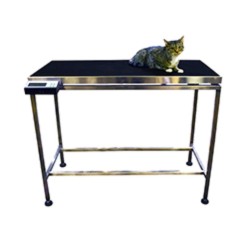
Veterinary Scales for Accurate Animal Weighing in Professional Settings
Clinical Summary: Accurate animal weighing is fundamental to veterinary medication dosing, anaesthetic calculation, growth monitoring, and livestock management across veterinary practices, farms, kennels, and equine care settings. Professional veterinary scales in the correct format for the animal species and size ensure accurate, safe medication dosing and support RCVS clinical record-keeping standards for veterinary professionals throughout the United Kingdom.
Veterinary Scale Types
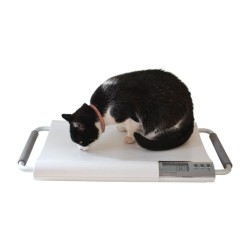
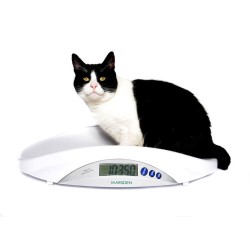
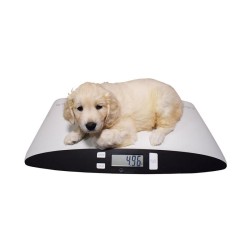
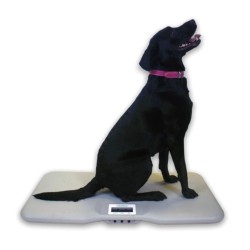
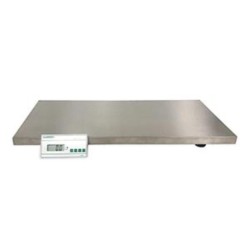
- Small Animal Platform Scales: Digital platform scales with 5g to 20g graduation for accurate weighing of cats, rabbits, and small dogs in veterinary practice consulting rooms, with stainless steel or easy-clean surfaces supporting clinical hygiene between patients.
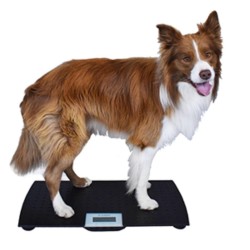
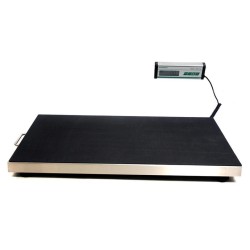
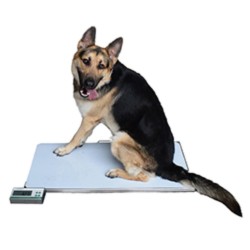
- Medium and Large Dog Scales: Larger platform scales accommodating medium and large breed dogs, with stable non-slip platforms and capacities to 150kg or 200kg for breeds requiring extended platform dimensions for safe, calm weighing. Suitable for general veterinary practice and specialist referral clinics.
- Livestock and Farm Scales: Heavy-duty weighbridges and cattle crush scales for farm animal weighing in agricultural settings, with capacities from 500kg to several tonnes for cattle, sheep, pigs, and other livestock species.
- Cage and Cylinder Weighing Scales: Cage-format scales enabling accurate weighing of animals that cannot safely be placed on an open platform, including birds, reptiles, small mammals, and agitated animals requiring contained weighing for safe and stress-free weight measurement.
Professional and Regulatory Standards
Veterinary scales supplied by Care Supplies are calibrated to professional accuracy standards appropriate to their intended animal species and clinical application. RCVS standards for veterinary clinical records require accurate weight documentation to support medication dosing calculations, anaesthetic protocols, and growth monitoring programmes. Veterinary medication dosing is weight-dependent across all species, making accurate weighing a fundamental patient safety requirement in veterinary practice. Scale selection should be matched to the species weight range and temperament, with cage or cylinder formats used for animals that cannot be safely weighed on an open platform, and heavy-duty livestock formats specified for farm and equine weighing applications.
| Scale Type | Capacity Range | Target Species | Key Application |
|---|---|---|---|
| Small Animal Platform | Up to 15 to 30kg | Cats, rabbits, small dogs | Veterinary practice consulting |
| Large Dog Platform | Up to 150 to 200kg | Medium and large breed dogs | General and referral practice |
| Livestock Scales | 500kg to several tonnes | Cattle, sheep, pigs | Farm and agricultural use |
| Cage Scales | Variable by cage size | Birds, reptiles, small mammals | Exotic and specialist veterinary |
Frequently Asked Questions
Q: What accuracy do veterinary scales need for medication dosing?
A: Medication dosing accuracy requirements vary by species and drug type. For small animals including cats and rabbits where dosing is calculated in milligrams per kilogram to very small total doses, scales with 5g or 10g graduation are recommended to ensure accurate weight-based dosing calculations. For larger dogs and livestock where total doses are larger and percentage error has less clinical significance, 50g to 100g graduation is generally adequate for standard medications.
Q: What is the best way to weigh a cat or nervous dog in a veterinary practice?
A: For cats and nervous small animals, cage scales allow the animal to be weighed in a secure carrier or cage, reducing stress and preventing escape risk during weighing. The carrier weight can be tared before placing the animal inside, or weighed separately and subtracted from the total reading. For nervous dogs, a low-profile non-slip platform scale positioned away from other animals and with a calm, unhurried approach from practice staff generally produces the most accurate and least stressful weighing outcome.