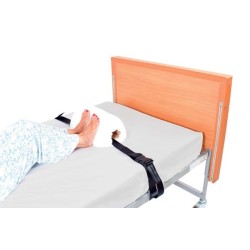
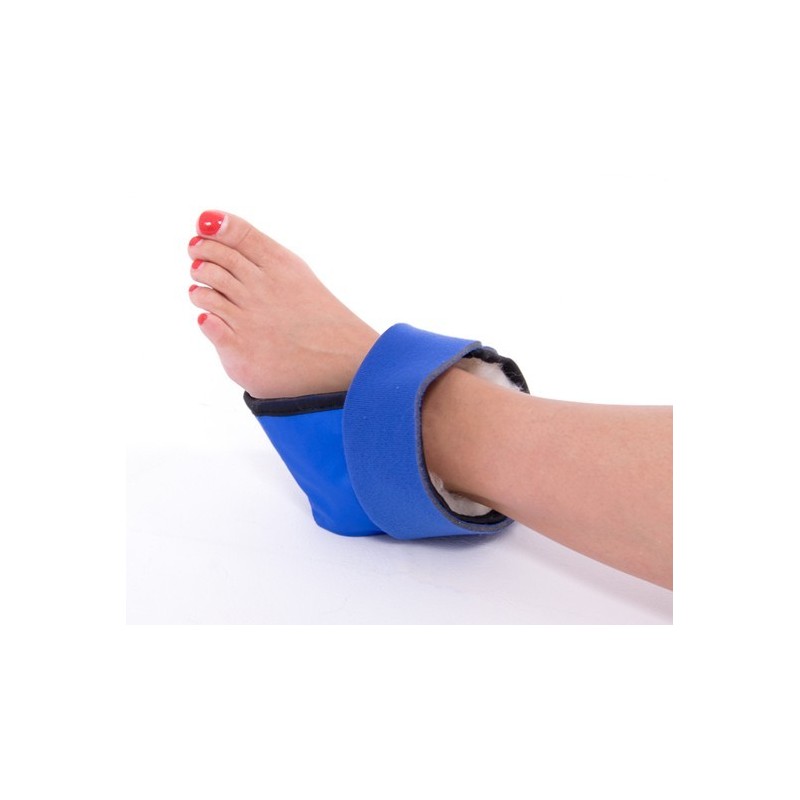


Thorpe Mill's Slippy Heel Protectors are designed to reduce shear force at the heel during repositioning through a low-friction outer shell, while the deep pile lambswool lining cushions, insulates, and wicks moisture away from the skin. Supplied in pairs with touch-and-close fastening for secure, adjustable fit, they are machine washable and tumble dry safe for repeated use in care home, hospital, and homecare environments. Indicated for use in the pressure ulcer prevention care plan under NICE CG179.
| Specification | Detail |
|---|---|
| Reference | NCL-WWHCS |
| Lining | Deep pile lambswool |
| Outer Shell | Slippy (low-friction) |
| Fastening | Touch-and-close |
| Supplied | In pairs |
| Washing | Machine washable |
| Drying | Tumble dry safe |
NICE CG179 (pressure ulcers: prevention and management) identifies shear force as a primary mechanical cause of pressure ulcers at the heel, and recommends that repositioning aids and protective devices minimise shear during patient movement. The slippy outer shell directly addresses this by allowing the heel to move against the bed surface without dragging the skin. The lambswool lining supports the NICE CG179 principle that maintaining skin microclimate - temperature, moisture, and pH - is fundamental to pressure ulcer prevention. CQC Regulation 12 (safe care) equipment documentation should include the heel protectors within the tissue viability section of the resident care plan.
What is the clinical difference between a slippy outer shell and a standard heel protector?
Standard heel protectors cushion the heel but may still allow shear force to act on the skin surface during repositioning if the outer surface grips the bed linen. The slippy outer shell allows the protector to move with the bed surface as the resident is repositioned, transferring the friction to the outer shell rather than the skin. This is the key shear-reduction mechanism recommended in NICE CG179 for heel protection in bed-based care settings.
Are these protectors suitable for use on profiling beds?
Yes. The touch-and-close fastening keeps the protector in position during profiling bed adjustments including head and knee elevation. The slippy outer shell remains effective across different bed surface inclinations, and the lambswool lining provides consistent cushioning through position changes. Tissue viability nurses should confirm suitability for individual residents with complex bed and positioning requirements under local pressure care policy.