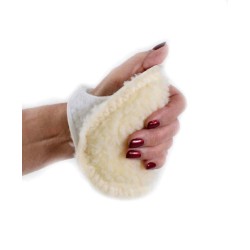
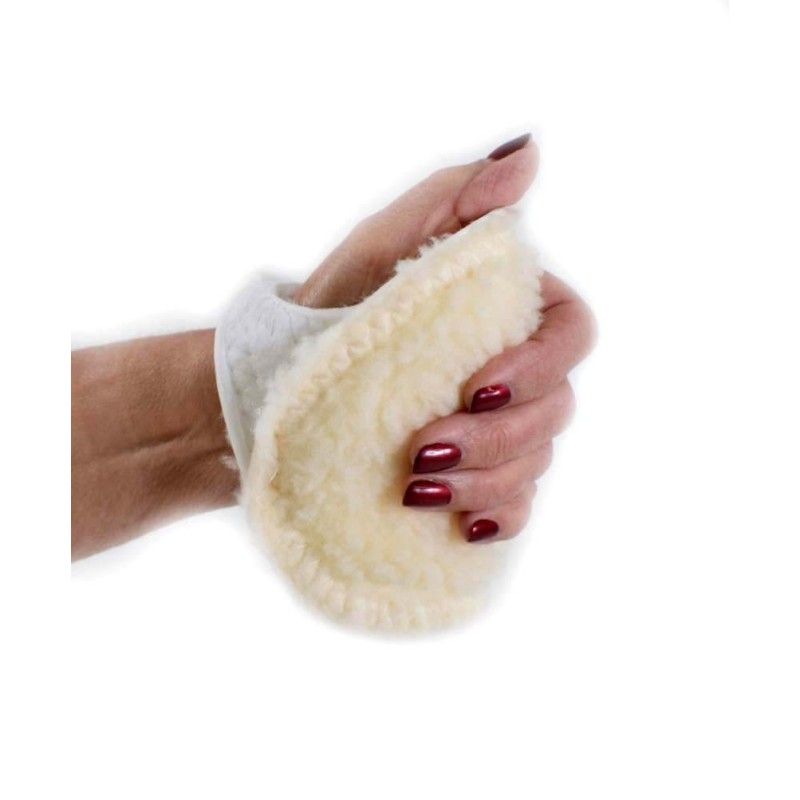

The Palm Protector (Right Hand) is designed to prevent nail pressure injuries in residents with contractures or limited hand function, using high-density closed-cell foam to prevent full finger closure into the palm. The soft fleece-lined interior cushions the contact surface for extended wear, and hook-and-loop fastening allows carer-only application without requiring resident cooperation. Pair with NCL-PPL (left hand) for bilateral palm protection as part of a documented hand positioning and skin integrity care plan.
| Specification | Detail |
|---|---|
| Reference | NCL-PPR |
| Hand | Right |
| Construction | High-density closed-cell foam |
| Lining | Soft fleece |
| Fastening | Hook-and-loop |
| Bilateral Pair | Use with NCL-PPL (left hand) |
Self-inflicted nail pressure injuries in residents with contractures or upper limb spasticity are a documented patient safety risk in care home and neurological care settings. CQC Regulation 12 (safe care) requires that care providers identify and mitigate risks of harm; the palm protector, when included in a documented hand positioning care plan, forms part of the clinical risk management strategy. CQC Regulation 10 (dignity and respect) requires that care supports residents' comfort and personal integrity; the protector prevents painful skin injuries that compromise quality of life for residents who cannot independently manage their hand position.
When is bilateral palm protection with both NCL-PPL and NCL-PPR indicated?
Bilateral palm protection is indicated where clinical assessment identifies nail pressure injury risk in both hands, typically where upper limb contractures or spasticity affect both arms symmetrically following stroke, acquired brain injury, or progressive neurological conditions. An occupational therapist should assess both hands individually, as the degree of contracture and the severity of the risk may differ between left and right. The decision to use bilateral protectors should be documented in the hand positioning care plan with clinical rationale.
How frequently should skin under the palm protector be inspected?
The palm and finger skin should be inspected at every application and removal of the protector, with findings documented in the care record. In residents with fragile or compromised skin, more frequent inspection during the wearing period may be indicated by the prescribing clinician. Any signs of skin redness, warmth, or breakdown beneath the protector should be reported immediately to the tissue viability nurse or responsible clinician and the protector use reviewed or suspended pending assessment.