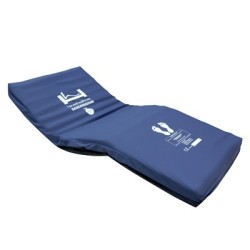
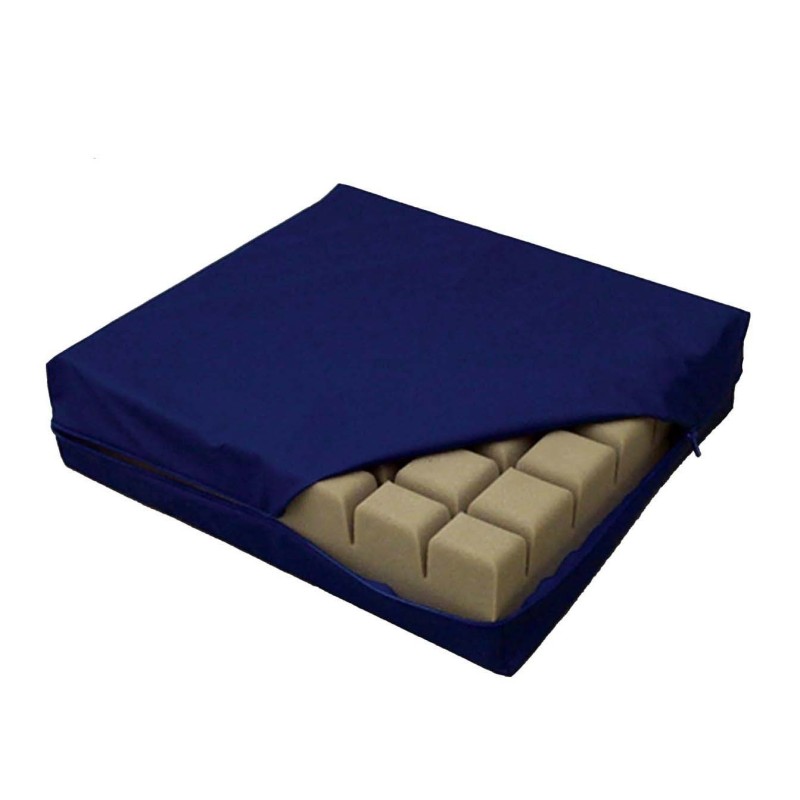

The Maximise Contour Cushion (NCL-MXCC-PFC, 43x41x10cm) provides modular high-specification foam pressure redistribution for wheelchairs and care chairs. Multi-stretch vapour-permeable removable cover. MDR 2017/745 compliant. NICE CG179 pressure ulcer prevention indicated. Tissue viability nurse assessment recommended before specifying.
| Specification | Detail |
|---|---|
| Reference | NCL-MXCC-(PFC) |
| Dimensions | 43 x 41 x 10 cm |
| Foam | High-specification modular foam |
| Cover | Multi-stretch, vapour-permeable; removable |
| MDR Compliance | MDR 2017/745 |
| Settings | Wheelchairs; day chairs; care environments |
NICE CG179 (pressure ulcers: prevention and management) addresses seating pressure as a risk factor for pressure ulcer development in residents with limited mobility who spend extended periods seated; appropriate seating cushions are a documented component of the pressure care plan. MDR 2017/745 classification as a pressure-redistributing medical device requires CE or UKCA marking. CQC Regulation 12 (safe care) documentation should include the cushion specification within the resident's pressure care plan, with the tissue viability nurse confirming it is appropriate for the individual's risk level and seated posture.
What is modular foam and how does it differ from standard foam in seating cushions?
Modular foam refers to a foam composition and structure specifically engineered for pressure redistribution in seating applications, with defined firmness, density, and resilience characteristics selected for clinical performance. Standard foam used in commercial chairs or general-purpose cushions is not engineered to these clinical specifications; it may bottom out under sustained body weight (compressing to the point where the user is effectively sitting on the chair frame through the foam), losing its pressure relief function during extended sitting. Modular high-specification foam maintains its resilience under sustained load throughout the expected product lifespan, providing consistent pressure redistribution.
How does the multi-stretch cover reduce shear forces on the seated skin?
Shear forces on seated skin occur when the surface supporting the resident resists movement while the resident's body shifts position - for example, leaning forward or adjusting posture. A rigid or low-stretch cover creates surface tension that resists this movement at the skin contact point, transmitting shear stress to the skin. A multi-stretch cover deforms and stretches with the resident's movement, reducing the surface tension at the skin contact point and allowing the resident's position to adjust without creating shear at the skin. NICE CG179 identifies shear as a contributing factor in pressure ulcer development alongside direct pressure.