
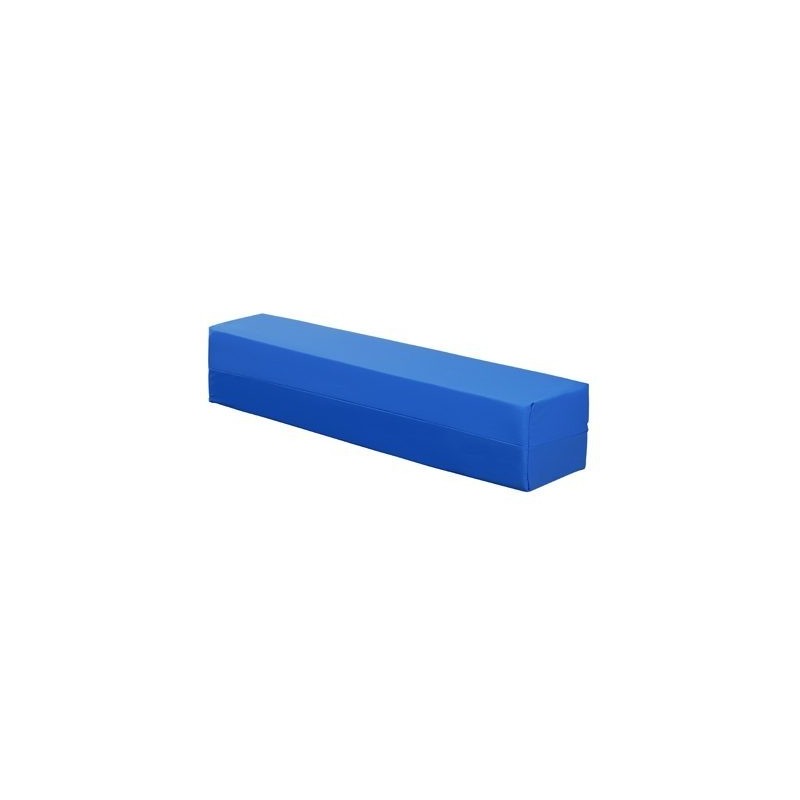

The Static Mattress Length Extension Infill fills the gap between the foot end of a static mattress and the bed frame footboard, extending the pressure redistribution surface to cover the heel and lower leg zone for tall residents or in beds where the mattress does not reach the footboard. Foam infill with VP waterproof cover. Available in 150mm and 200mm length additions across 900mm, 1200mm, and 1400mm widths, with strap-secured variants for stability. 3-year warranty. For use with high-risk static mattresses per NICE CG179.
| Specification | Detail |
|---|---|
| NCL-HFIM1515 | 900 x 150 x 150mm |
| NCL-HFIM2013 | 900 x 200 x 130mm |
| NCL-HFIM2016 | 900 x 200 x 160mm |
| NCL-HFIM2016S | 900 x 200 x 160mm with hook-and-loop strap |
| NCL-HFIM2020 | 900 x 200 x 200mm |
| NCL-HFIM2016.12 | 1200 x 200 x 160mm |
| NCL-HFIM2016.12S | 1200 x 200 x 160mm with hook-and-loop strap |
| NCL-HFIM2016.14 | 1400 x 200 x 160mm |
| Cover | VP waterproof |
| Fixings | Standard (no strap) or hook-and-loop strap secured (S variants) |
| Warranty | 3 years |
| Clinical Application | Heel and lower leg pressure care - gap closure at mattress foot end |
The mattress length extension infill is a clinical pressure care accessory for use with high-risk static mattresses per NICE CG179. The infill must be matched to the width and depth of the static mattress in use; a height mismatch between the infill and the mattress surface creates a step at the transition that could concentrate pressure at the resident's calf or ankle at the join point. The hook-and-loop fixings must be confirmed secure before each use and inspected for lint accumulation that reduces grip. The VP waterproof cover must be included in the routine decontamination schedule alongside the main mattress cover. For residents where the heel gap is a recognised pressure injury risk site, the prescribing clinician must document the infill in the care plan as part of the pressure care equipment specification, and must confirm that the infill is present and correctly positioned during routine nursing assessments.
Who needs a mattress length extension infill, and how is the correct size selected?
A length extension infill is indicated for any resident whose heel extends beyond the supported mattress surface during sleep or rest. This can occur when: the resident is taller than the effective mattress length in the bed configuration being used; the mattress has shifted toward the head end of the bed, leaving a gap at the foot end; or the bed frame is longer than the mattress, leaving an unsupported zone at the foot end regardless of mattress position. The heel is the second most common site for pressure injuries after the sacrum; an unsupported heel resting on a hard bed frame or footboard is at significant pressure risk during an extended overnight period. To select the correct infill, the care team should measure the gap between the foot end of the mattress as it sits in clinical use - with the mattress in its normal position and any profiling adjustments applied - and the bed frame footboard. This measurement determines the infill length (150mm or 200mm). The infill width must match the mattress width (900mm, 1200mm, or 1400mm). The infill depth must be as close as possible to the mattress depth at the foot end to avoid a step at the transition; the available depth variants (130mm, 160mm, 200mm) allow matching to common mattress depth specifications.
Can the length extension infill be used with an active alternating mattress as well as a static mattress?
The length extension infill is specifically designed for use with static mattresses and is not intended for use as a foot-end extension on an active alternating mattress system. An alternating mattress changes its cell inflation profile during the alternating cycle, which can create a mismatch at the transition between the dynamic alternating surface and the static foam infill; the step between an inflated alternating cell at the mattress foot and the static infill surface could create a pressure point at the resident's calf or lower leg at the join point during certain phases of the alternating cycle. For residents on an active alternating mattress who have a heel gap concern, the clinical team should consult the mattress manufacturer regarding compatible foot-end solutions, or address the gap by adjusting the mattress position in the bed. The infill should only be deployed alongside the static mattresses in this range - the Community, Community Plus, Prime Comfort, Prime Comfort Plus, Reflect 2, and related products - where it was designed to function as a pressure care extension to the static foam surface.
